



Diving in a new country adds excitement to any trip. The water looks different, the fish behave in new ways, and the whole experience feels fresh. But it also brings risks that you won’t face at your regular dive spots back home. Here are the five most important things I always check before I strap on tanks overseas.
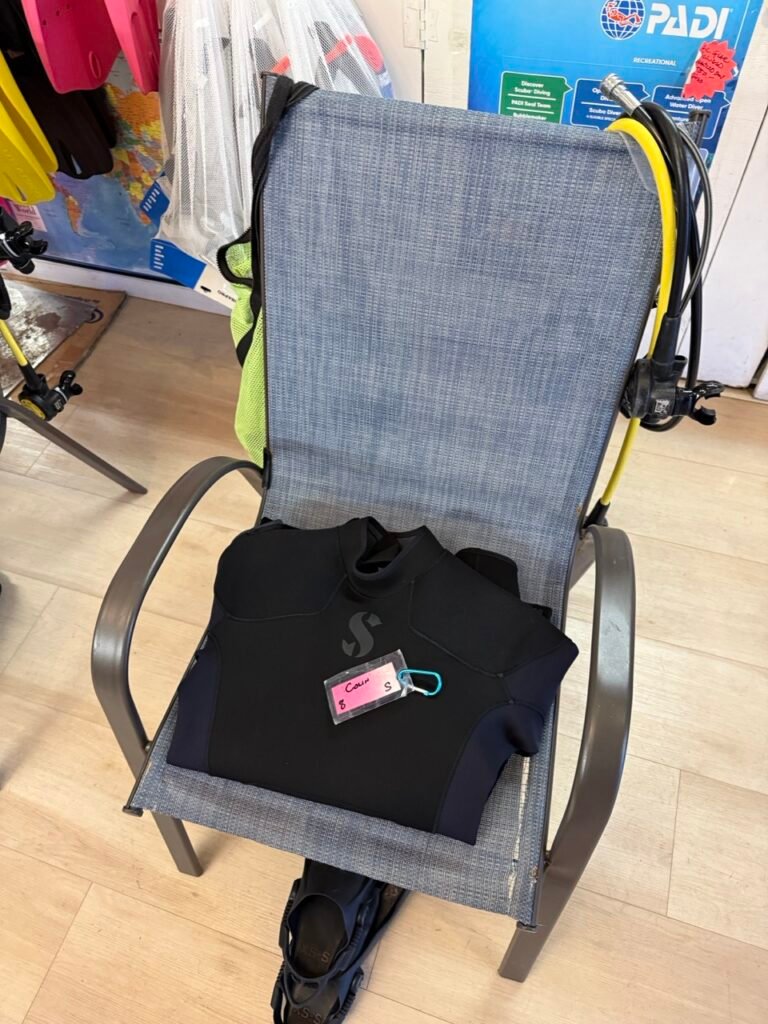
First, pick the right dive centre. Not every shop meets the same standards. Walk in and watch how they handle gear and briefings. Do they ask about your last dive and any medical issues? Are the boats clean and well-maintained? Talk to other divers at the shop or on the boat. Locals and repeat visitors will tell you quickly if a centre cuts corners. I once skipped a flashy operation in Southeast Asia after hearing guides had rushed safety checks. The smaller, quieter centre next door gave me a far better and safer day.
Second, sort out your paperwork and insurance before you leave home. Many countries require proof of certification, logbook, and sometimes even a medical form. Print copies and keep them in a waterproof pouch. Dive insurance is cheap compared to the cost of an emergency evacuation. Standard travel insurance often excludes diving, so double-check the fine print. I add a specific diving policy that covers chamber treatment and medical flights. It gives peace of mind when you are hours from a major hospital.
Third, understand the local conditions. Currents, visibility, and marine life change with the season. Ask the dive centre for recent reports instead of relying on last year’s guidebook. In places like Indonesia or the Maldives, a strong tidal flow can turn an easy reef into hard work. Listen carefully during the briefing and speak up if anything feels off. Guides know the sites best, but you know your own limits. I once cancelled a deep wall dive when the current looked stronger than expected. No one thought less of me for it.
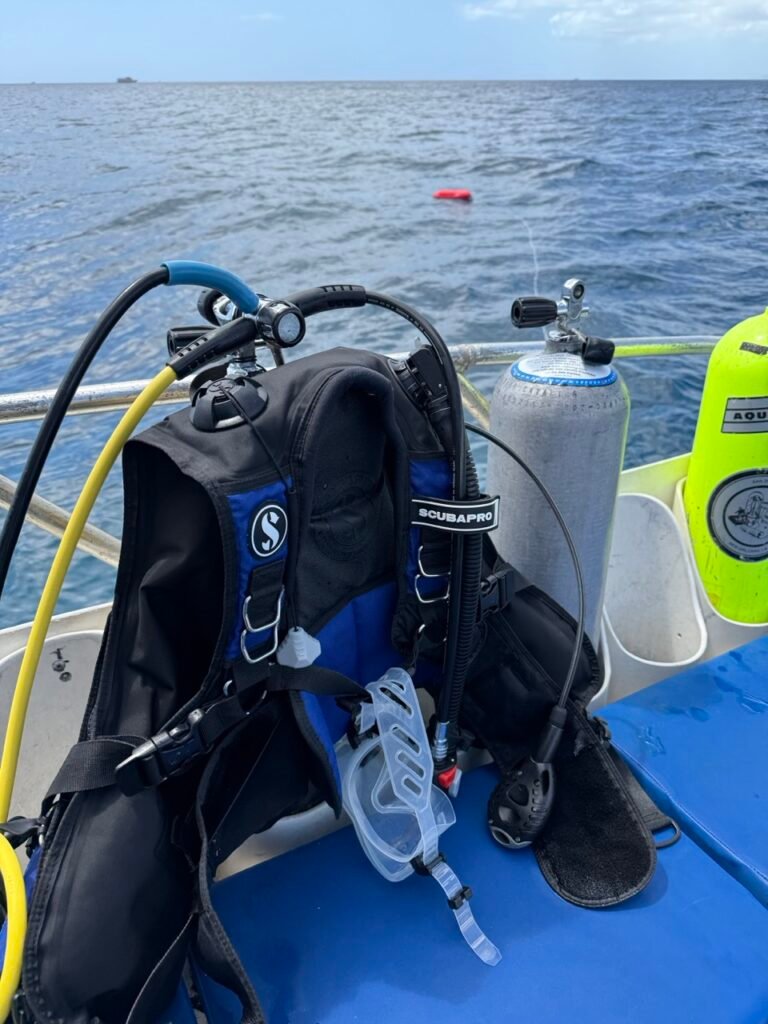
Fourth, inspect the rental gear yourself. Even reputable centres can have worn equipment. Check regulator hoses for cracks, BCDs for slow leaks, and weights for secure clips. Test everything in shallow water before you head out. Bring your own mask and computer if you can – these are personal items that affect comfort and safety. A foggy mask or unreliable depth gauge can ruin a dive fast. On one trip in the Caribbean, I swapped a stiff rental fin on the spot and saved my calf muscles from cramping later.
Fifth, respect the environment and local rules. Many foreign reefs sit inside protected areas with strict no-touch policies. Fines are real, and repeated damage hurts the very thing you came to see. Stick to the reef only with your eyes. Use reef-safe sunscreen and skip single-use plastics on the boat. Small actions add up when thousands of divers visit the same sites each year. I carry a reusable water bottle and cloth bag everywhere now. It feels right and often earns quiet nods from local crew.
A quick final note: trust your gut. If something feels wrong on the day – fatigue, bad weather, or an uneasy feeling about the group – it is okay to sit it out. The ocean will still be there tomorrow.
These five checks take little extra time but make a big difference. They turn a good trip into one you remember for the right reasons. Safe diving comes down to preparation and common sense, no matter how exotic the destination. Pack light, stay alert, and enjoy every breath underwater.