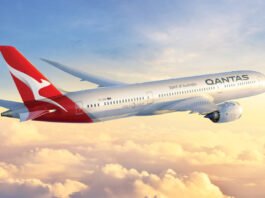
Qantas is set to launch non-stop flights from Sydney to London in October 2027. This marks a big shift for travellers on the famous Kangaroo Route. The journey will cover about 17,000 kilometres and take around 20 to 22 hours, making it the world’s longest commercial passenger flight.

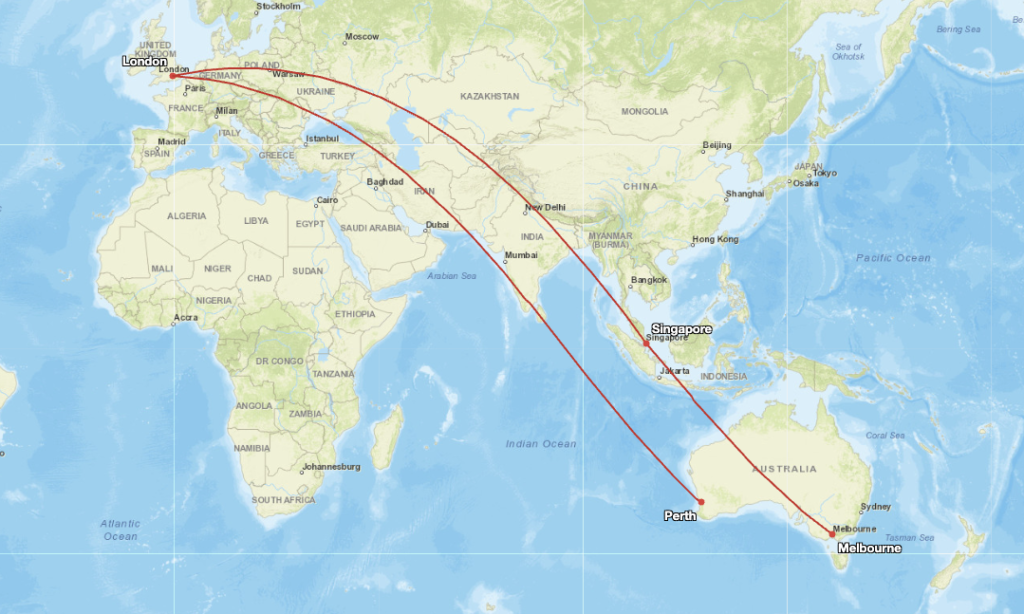
The idea makes sense for several practical reasons. Right now, most people flying between Sydney and London go via Singapore or another hub. That adds time for connections, security checks, and waiting around. A direct flight cuts the total door-to-door time by up to four hours. For families, business travellers, or anyone tired of long layovers, that matters. Qantas has been working on this through Project Sunrise, using specially modified Airbus A350-1000 aircraft with extra fuel tanks. These planes also include wellness features like a stretch zone, better lighting to fight jet lag, and more premium seats.

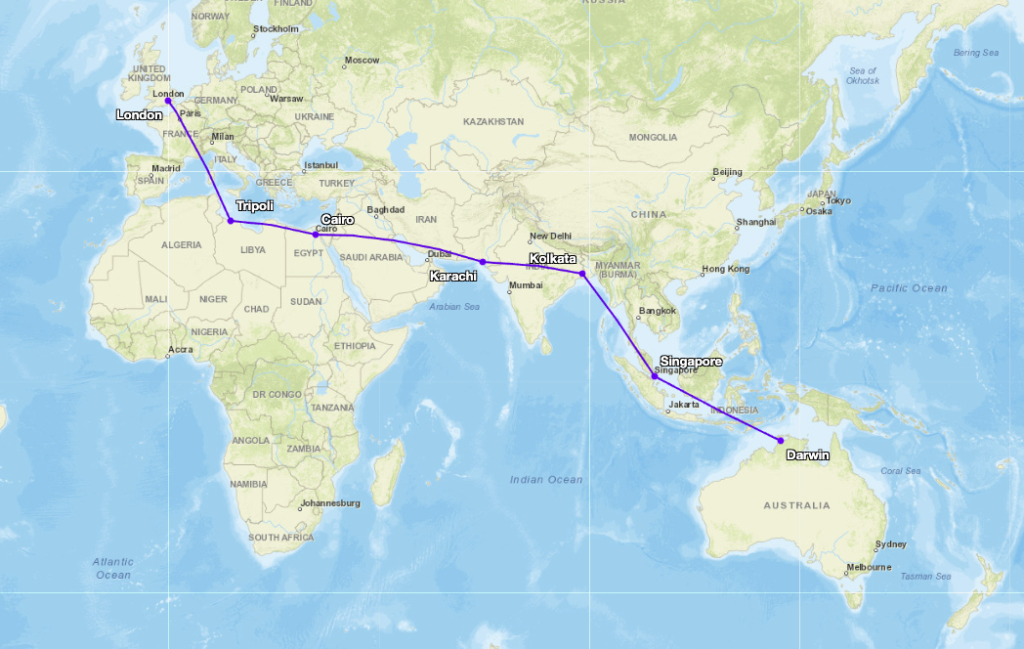
The history goes back a long way. Qantas started the Kangaroo Route in 1947. Back then, the trip from Sydney to London took four days with seven stops. Planes were smaller and technology more basic. Over the decades, routes improved. Stops got fewer. In 2018, Qantas launched non-stop flights from Perth to London using Boeing 787s. That was a milestone, connecting Australia and Europe without breaks for the first time. Sydney to London remained a one-stop affair, usually via Singapore on A380s or other aircraft.
Existing routes still work well for many. Flying via Singapore gives decent connection times and access to one of the world’s best airports. Other airlines offer options through the Middle East or Asia. These stops let people break the journey, which some prefer on such a long haul.
Pros of the new non-stop service stand out. You avoid the hassle of layovers entirely – no rushing through terminals or worrying about delayed bags. Less time in airports means fresher arrivals and more productive days at either end. Business travellers save valuable hours. Families get to their relatives sooner. The aircraft design focuses on comfort for these ultra-long flights, with features aimed at reducing jet lag. Operationally, it can be more efficient too: fewer takeoffs and landings cut some costs and wear on the plane. It also strengthens ties between Australia and the UK for work and personal visits.
But there are clear cons. Twenty-plus hours in a plane tests anyone’s patience, even with good seats and extras. Some people simply prefer a break midway to stretch their legs properly on the ground. Higher fuel use raises environmental concerns. Tickets, especially in premium cabins, will probably cost more than one-stop options. Not everyone wants or needs the direct flight, and filling those planes consistently could be a challenge if demand leans toward cheaper connections.
This move shows how far aviation has come. From multi-day hops with propeller planes to a single long haul in a modern jet. For those who value simplicity and speed, it could become the preferred way. Others might stick with familiar stopover routes. Either way, it adds real choice on one of the world’s busiest long-distance corridors. The first flights will be worth watching.