Picture this. You land in a busy Asian capital. Crowds press in from every side. Temples and streets feel overbooked. The magic starts to fade.
In 2026 smart travellers are changing the plan. They skip the pressure in Bangkok, Tokyo or Singapore’s core. They go straight to second cities instead. Chiang Mai in Thailand. Da Nang in Vietnam. Quieter Japanese centres beyond the main neon.
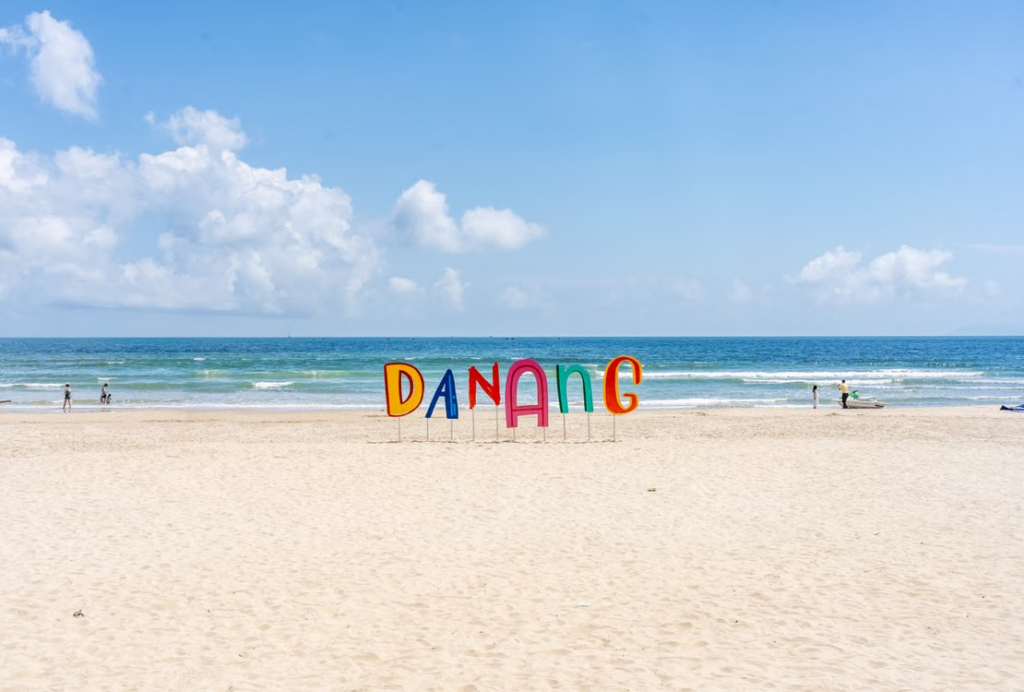
This is not a passing idea. It is the practical choice in a year when Asia-Pacific arrivals keep rising. The region is set to push past pre-pandemic levels. Vietnam alone is tracking toward 25 million international visitors. That growth brings more flights and hotels, but it also packs the headline spots.
Second cities give breathing room. Prices stay softer. You spend time among locals rather than other visitors.
Getting there has become simpler. Airlines have quietly improved the links.
From Australia, Qantas flies direct to the main gateways. Bangkok, Singapore and Ho Chi Minh City sit on regular schedules. From those hubs the final leg is short. Qantas partners with Bangkok Airways, so Chiang Mai connections often appear on the same ticket. Points work across the link too. One booking, fewer surprises.
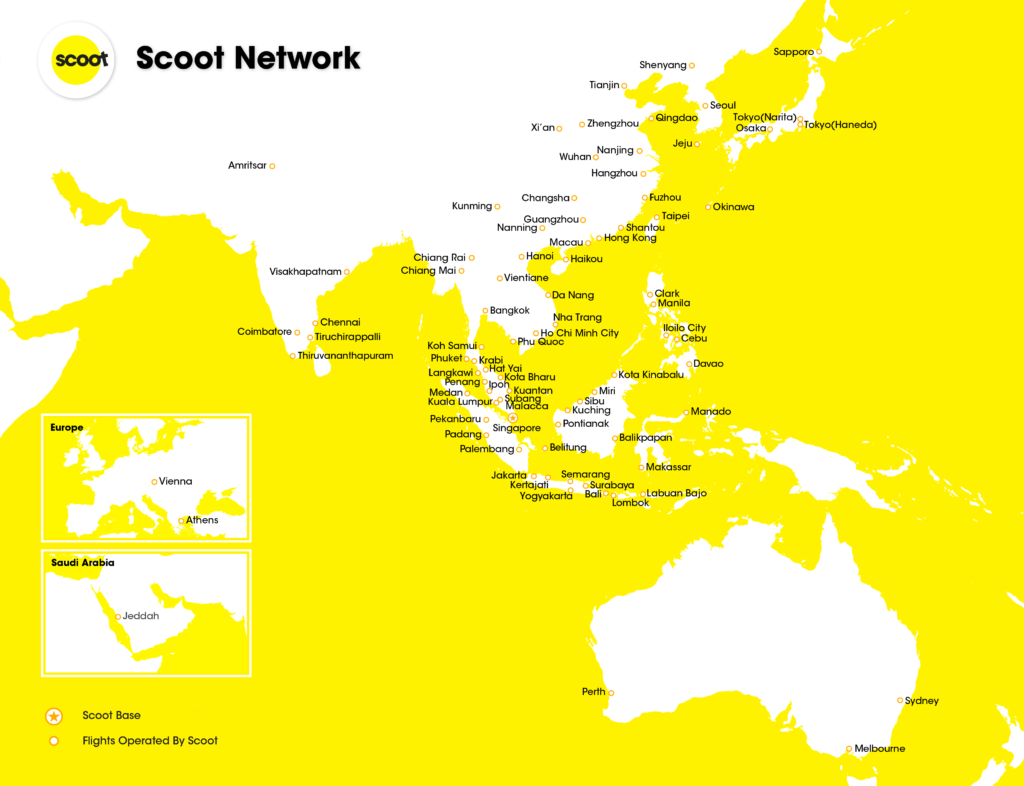
Singapore Airlines already runs direct flights to Da Nang from Changi. That route suits anyone routing through Singapore. Its low-cost sister Scoot serves Chiang Mai with solid frequency. Daily options show up on many dates now. Scoot has also lifted capacity on several Thai and Vietnamese secondary routes this year.
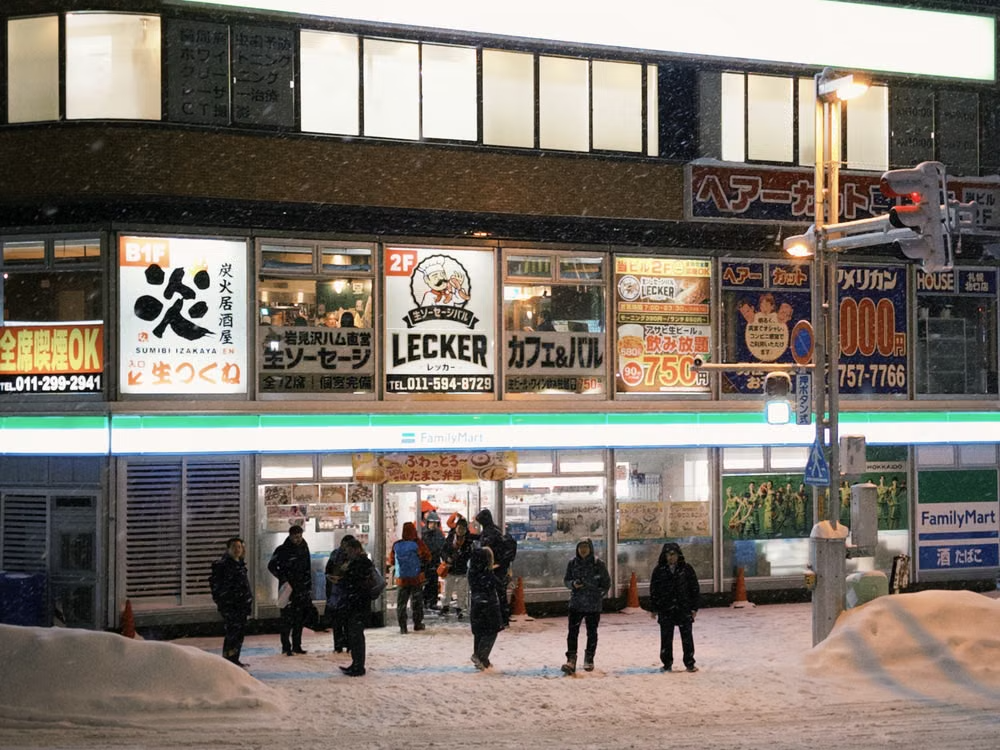
For Japan, Qantas adds a seasonal Sydney–Sapporo service from December. That opens northern access without the Tokyo crush. Singapore Airlines flies to Fukuoka, another useful alternative to the usual hubs.
Look for one-stop itineraries. Codeshares between Qantas and Singapore Airlines often line up well. You clear immigration once and keep moving. Early morning departures from Australia still land you in the second city the same day or early the next.
Base yourself a little away from the main tourist strip. Smaller properties usually cost less and run with more personal service. Build days around the local pace rather than fixed sightseeing lists. That keeps costs down and energy up.
You also travel lighter. Shorter final hops mean less fatigue. More of your money stays in the local economy. And because these places are still climbing the curve, rooms and experiences feel fresher.
In a year of heavy arrivals, the second-city route is simply the clearer choice. Plan the connections first. The rest follows with far less friction.