Qantas long-haul pilots look set to vote on industrial action in the coming days. After rejecting a pay deal back in April, tensions have built to the point where protected ballots start on 27 July. This could mean work bans, delays or short strikes on international routes. For anyone flying with the airline, it’s worth keeping an eye on updates.
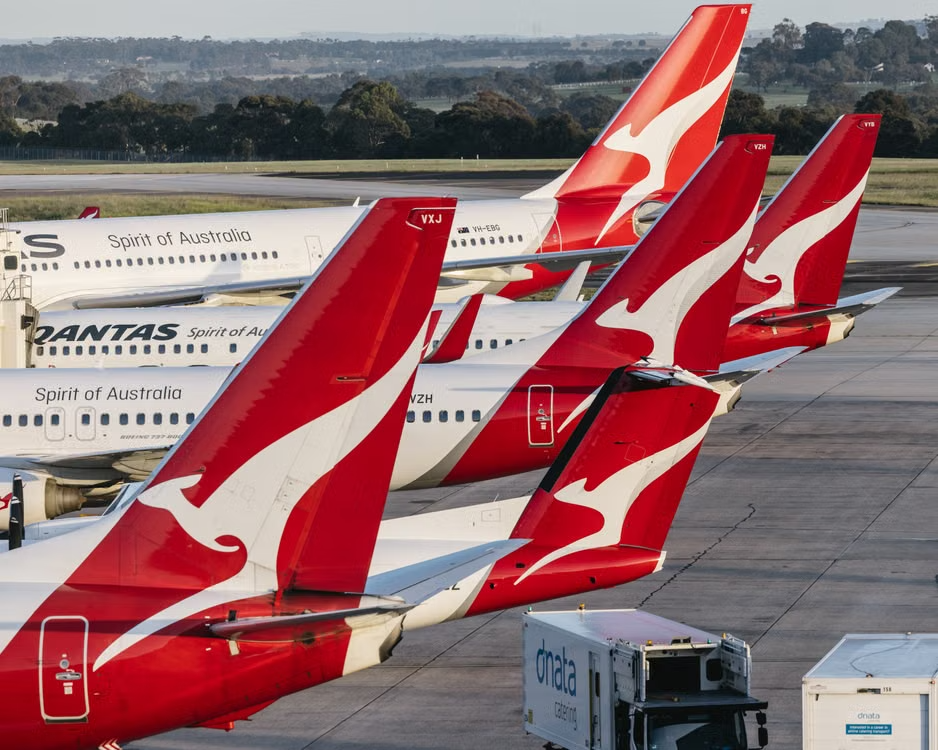
The vote covers around 1,700 pilots on the big jets – A330s, A380s and 787s. They turned down an agreement that offered roughly 25 per cent over four years, backed by their main union. Many felt the rises wouldn’t keep up with living costs after years of concessions. Rostering, fatigue rules and career paths also came up as sticking points. Qantas described the rejection as disappointing and pointed to the need to stay competitive, especially with extra pressures like fuel prices and global events.
Qantas operates roughly 18 A330-200s, about 12 A330-300s, 10 A380s and 14 787-9s in its mainline fleet. These aircraft handle most of the airline’s long-haul work. That means a wide range of international destinations could feel the impact. Think major routes to London, Los Angeles, New York, Singapore, Tokyo, Hong Kong, Dubai, Bangkok and many European and North American cities. Even shorter regional international flights that use these planes might see changes. With around 1,700 pilots trained and rostered across this fleet, any action would hit the core of Qantas’s global network hard.
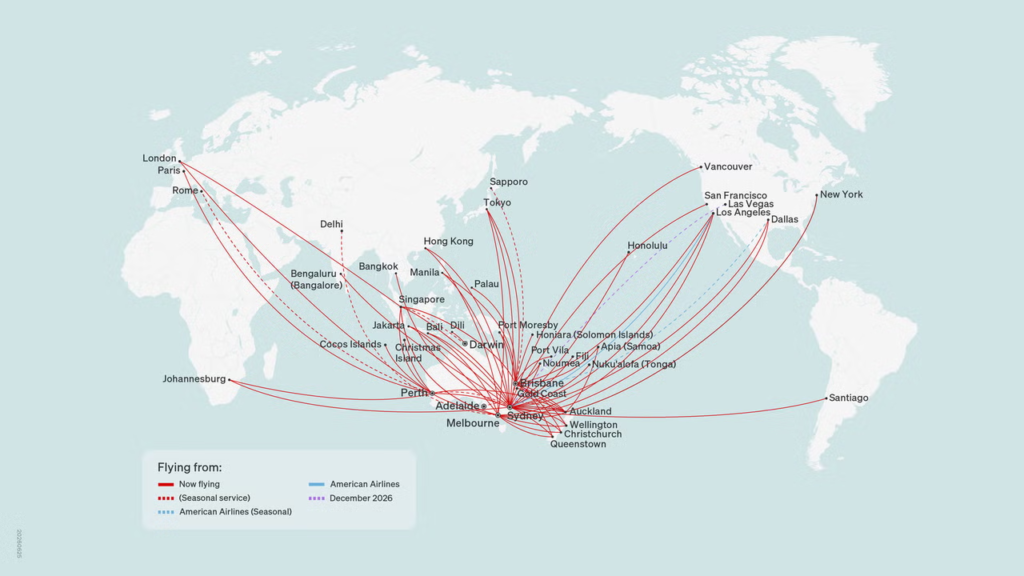
Talks continue, but the ballot gives pilots legal options for action if they choose. Even limited steps could ripple through the network. Long-haul flying is complex, and any disruption hits schedules fast. The airline will no doubt prepare alternatives, but passengers on Europe, US or Asia routes might face changes.
This isn’t new ground for Qantas. The 2011 dispute remains the big one in memory. Pilots joined engineers and ground staff in pushing back on outsourcing and job security. Things escalated when the airline grounded its entire fleet one October afternoon. Flights in the air finished their legs, but nothing else moved. Passengers around the world were stuck. Fair Work Australia stepped in quickly, talks resumed and deals followed. It showed how deep frustrations can run when negotiations stall.
More recently, pilots at Network Aviation – a Qantas subsidiary in Western Australia – took several short strikes in 2023 and 2024. Those actions focused on pay for regional and fly-in fly-out work. They cancelled dozens of flights and affected mining communities. The pattern feels familiar: months of talks, offers that don’t land, then protected action to apply pressure.
For travellers, these moments highlight how much smooth flying depends on people behind the scenes. Most disputes resolve without full strikes, but the threat alone can shift plans. If you’re booked on Qantas long-haul soon, check your booking and stay flexible. Airlines often rebook or offer options when things tighten.
The hope is both sides find common ground before any action kicks in. Pilots want fair recognition. Qantas needs reliable operations. Clear, honest talks have worked before. With voting just days away, the next few weeks will show whether cooler heads prevail or if disruption arrives.