Winter used to be the season Australians and Singapore-based travellers treated Vietnam as a side trip: a long weekend in Ho Chi Minh City, maybe a beach add-on if the fare cooperated. That math is changing. Carriers are loading the Singapore–Vietnam triangle with more frequencies this northern winter, and that extra metal is the difference between a rushed city break and a trip that actually fits three distinct Vietnams into one leave pass.
Why this winter is different
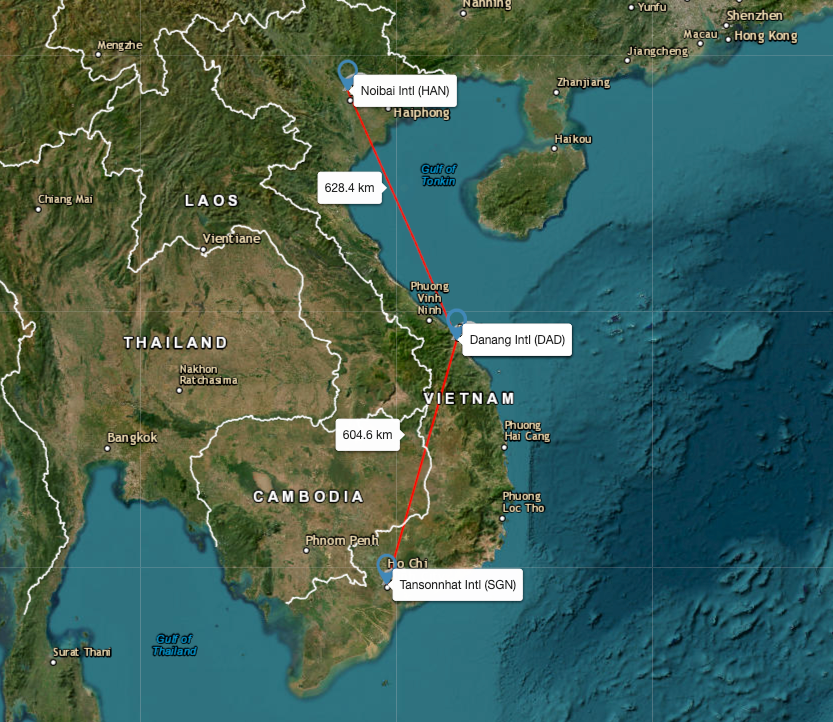
The headline is frequency, not a brand-new destination. Combined services linking Singapore with Hanoi, Ho Chi Minh City and Da Nang are set to reach about 70 flights a week from late October — a jump of more than 40 percent on last winter. Ho Chi Minh City moves toward four flights a day. Da Nang, long the awkward middle child of the network, rises to three daily. Hanoi holds a third daily.
For travellers in Australia, that matters even if you never set foot in Changi as a holiday. More seats on the short-haul spoke usually means more connecting inventory on the long-haul spoke, more off-peak departure times, and a better chance of recovering a missed link without losing a hotel night. For travellers already in Singapore, it means you can stop treating Da Nang as a “if the timing works” destination.
Build the trip around three climates, not one city
Vietnam in November through February is not one weather app. The north can be cool, grey and damp — perfect for steaming bowls and museum days, less perfect for a pool holiday. Central Vietnam around Da Nang and Hoi An is often the sweet spot: drier, brighter, still warm. The south stays hot, with the occasional shower.
A practical 10-day shape that uses the new frequencies:
Days 1–3: Hanoi. Old Quarter walking hours, a day trip to Ninh Binh or a night train mindset even if you fly the next sector. Pack a light layer. Book the first night close to Hoan Kiem so jet lag does not become a taxi odyssey.
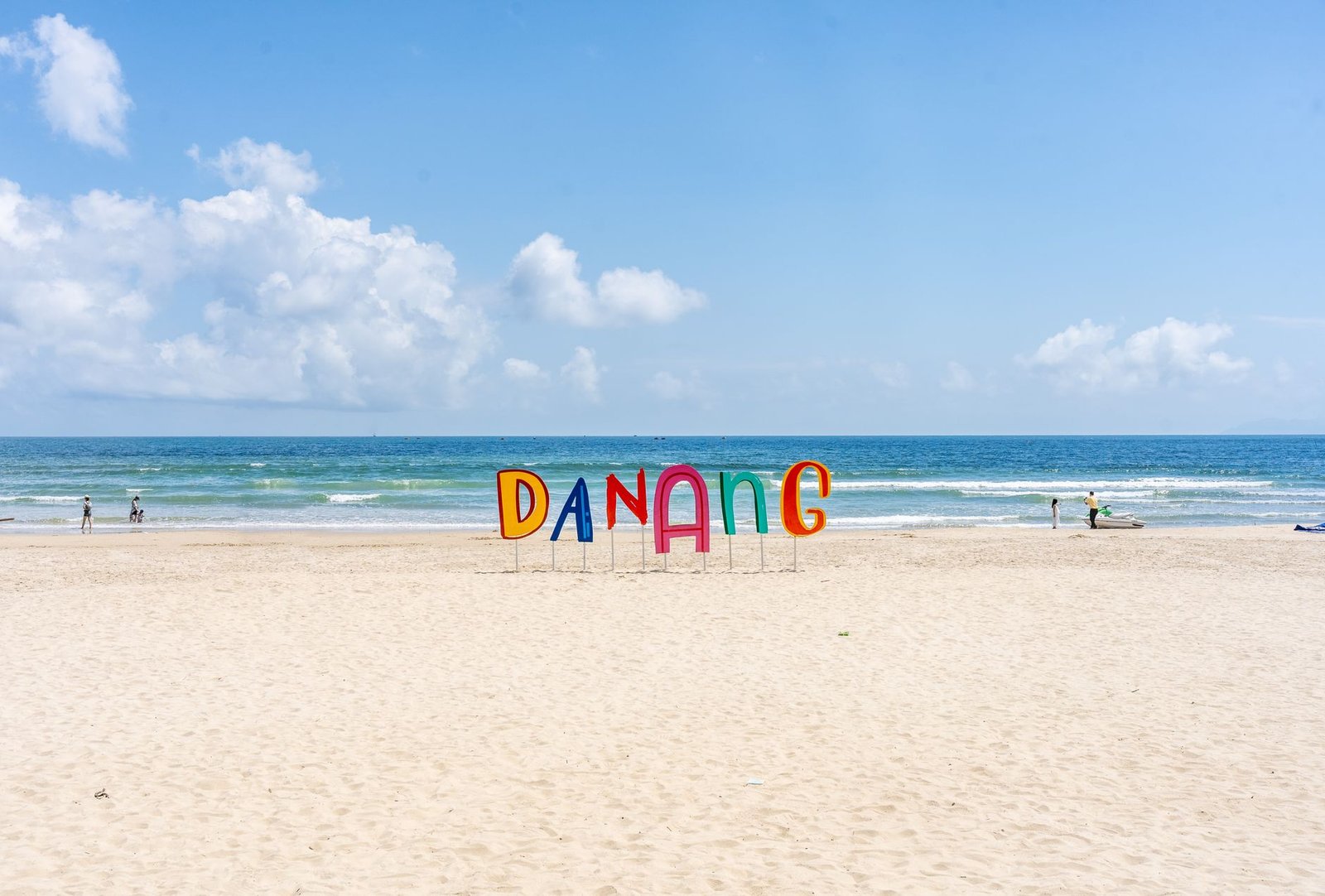
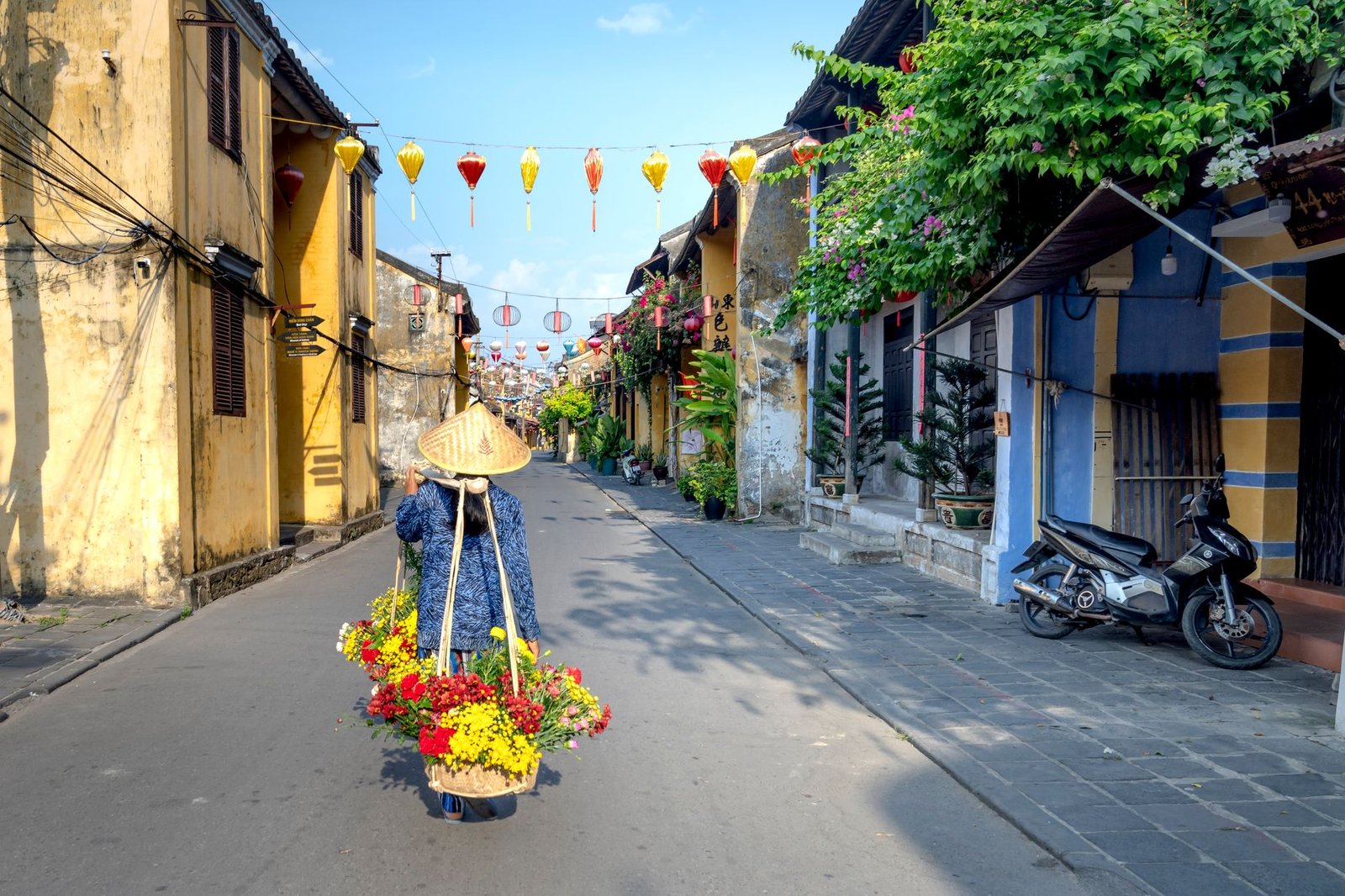
Days 4–7: Da Nang as the hinge. Fly, do not overnight-bus this sector if you value daylight. Use Da Nang for the beach and the Marble Mountains, then base in Hoi An for two nights. The lantern town is prettier after tour groups thin out at dusk. Rent a bicycle, not a scooter, if you have never ridden in Vietnamese traffic.
Days 8–10: Ho Chi Minh City. Land in the evening if you can. Eat in District 3 or 1, do one serious museum morning, and leave the last afternoon empty. Tan Son Nhat is a busy airport; buffer beats a heroic dash.
That routing used to force awkward 36-hour gaps. Daily and near-daily flights shrink those gaps to half-days.
Timing tricks that save money without wrecking the trip
Midweek departures still price better than Friday night heroics. If you are coming from Australia, a Sunday or Monday arrival into Singapore, a same-evening or early-Tuesday hop to Hanoi, and a Thursday or Friday exit from Ho Chi Minh City tends to dodge both weekend fare spikes and Monday morning office traffic at both hubs.
Book the Vietnam domestic or regional sectors first when the winter schedule opens, then lock the long-haul. The short-haul flights are the ones that disappear into connecting traffic. Travel insurance should name every city, not just “Vietnam,” so a typhoon delay in one airport does not become an argument about a missed hotel in another.
Shoulder dates — last week of October, most of January after the New Year rush, early March before the next seasonal retiming — are the quiet wins. Tet (Vietnam’s Lunar New Year) timing moves each year; check it before you fall in love with a mid-February villa.
What to actually spend on
Spend on a private driver for the Hanoi-to-Ninh Binh day, a decent cooking class in Hoi An, and one excellent meal in each city rather than three forgettable ones. ATMs are everywhere in the big three; still carry a little cash for markets. eSIMs work well; download offline maps anyway because alleyways do not care about your data plan.
Dress codes are simple and often ignored until they are not: covered shoulders and knees at temples. Da Nang beaches are relaxed; Hoi An’s old town is not a resort.