For decades, the middle seat has been the least desirable spot on any flight. Wedged between two strangers with limited elbow room, it’s the seat most travellers try to avoid. But instead of pretending people don’t hate it, airlines are starting to turn that frustration into a business opportunity.
Across the industry, carriers are experimenting with new ways to give economy passengers more personal space—provided they’re willing to pay for it. Some airlines are redesigning cabins to create roomier seating, while others are offering travellers the chance to buy an empty seat next to them. It’s all part of a broader shift towards selling comfort as an optional upgrade rather than including it in the ticket price.
One of the latest examples comes from United Airlines, which is introducing a new Economy Plus layout on its incoming Airbus A321XLR aircraft. Instead of the traditional three-seat row, selected seats will replace the middle seat with a shared console, giving passengers extra elbow room and a small surface for drinks or personal items. The concept isn’t about eliminating middle seats altogether, but creating a premium economy experience without stepping into business class.
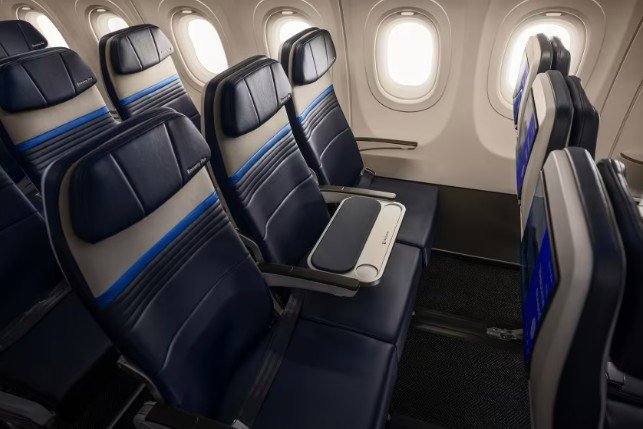
Other airlines have taken a different approach. Rather than redesigning the cabin, they simply let passengers pay to keep the neighbouring seat empty if the flight isn’t full. Qantas, Virgin Australia, Air France, Etihad and Fiji Airways have all introduced versions of “neighbour-free” seating, either for a fixed fee or through a bidding system. If there are spare seats after check-in, travellers who successfully secure the upgrade get the luxury of stretching out without anyone sitting beside them.
The idea has also gained traction in Asia, where airlines continue looking for new ways to boost revenue while giving passengers more choice. Japanese low-cost carrier ZIPAIR recently introduced a “Seat Plus” option, allowing passengers to purchase an adjacent empty seat after boarding if availability permits. It’s a simple concept, but one that appeals to travellers who want a little extra space without paying several times more for a premium cabin.
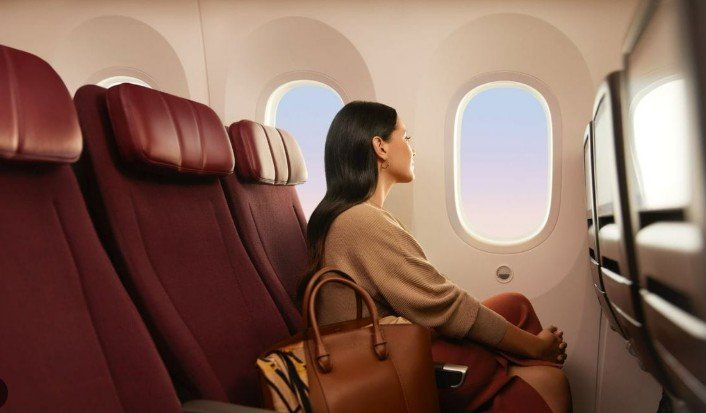
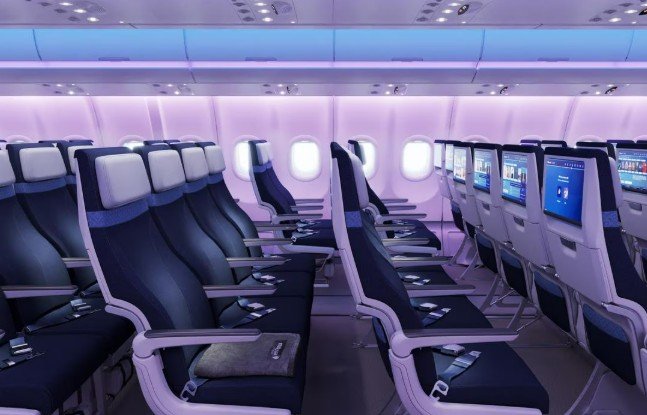
For airlines, these initiatives make financial sense. A vacant seat generates no revenue, but if that same seat can be sold as an upgrade, it’s an easy way to increase earnings without making major changes to the aircraft. For passengers, it’s another reminder that comfort has become something that’s increasingly unbundled from the base fare.
Whether these options are worth paying for depends on the traveller. On a one-hour flight, squeezing into a middle seat might be tolerable. On an overnight journey or a long-haul trip, however, having an empty seat beside you—or simply a bit more breathing room—can make a noticeable difference to the overall experience.
As airlines continue searching for new sources of revenue, the race is no longer just about lie-flat beds and airport lounges. Even in economy class, personal space is becoming a product in its own right. And for travellers who’ve spent years hoping the middle seat would stay empty, the future may finally offer a way to make that wish come true—at a price.