Planes do not dump waste from the sky. That old story about toilets emptying mid-flight is a myth. Modern aircraft keep everything sealed until they land.
When you flush the toilet, a strong vacuum pulls the waste into a holding tank. These tanks sit at the back of the plane. They are sealed and treated with chemicals to control smell and bacteria. The tanks hold enough for long flights. Nothing leaves the aircraft while it is airborne.
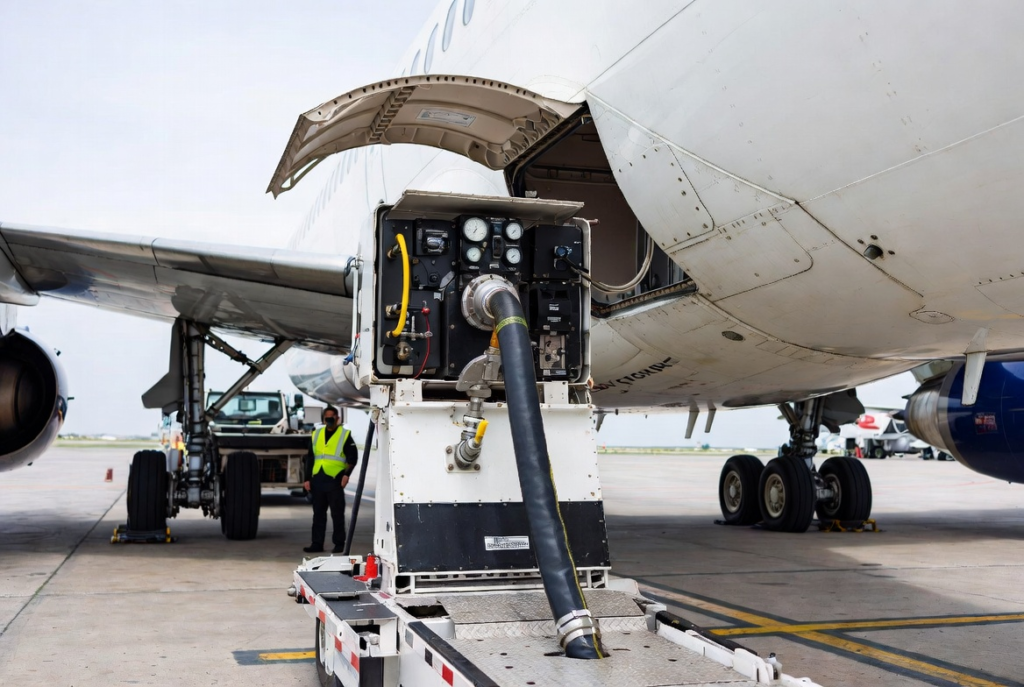
After landing, a special truck pulls up. Ground staff connect a hose to a service panel on the plane. The truck vacuums out the tank. The waste goes to local sewage treatment plants. It gets the same processing as everyday sewage from homes and businesses. The whole job usually takes 10 to 20 minutes.
Cabin rubbish is a different story. This includes food trays, cups, napkins, packaging, newspapers and leftover meals. Cabin crew collect it during the flight and bag it. On the ground, cleaners or catering staff remove the bags.
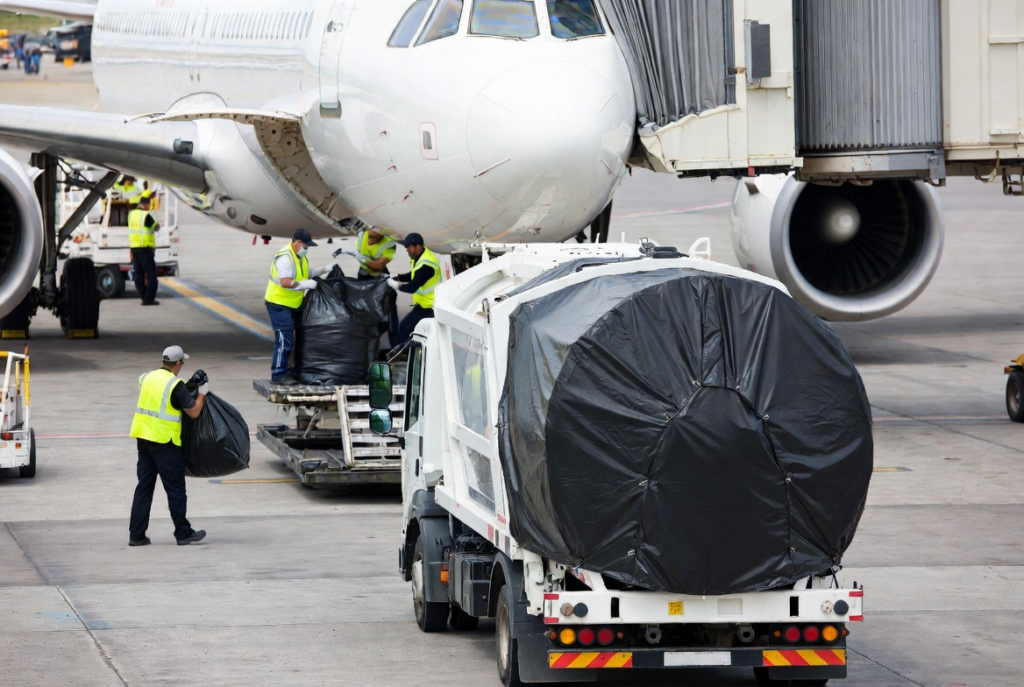
Domestic flights often allow normal disposal or recycling. International flights face stricter rules. Food waste and anything that touched animal products counts as international catering waste. Countries treat it as a biosecurity risk. They worry about animal diseases or pests crossing borders.
In many places this waste must go to deep landfill burial or incineration. It cannot mix with regular rubbish. Bags are sealed, labelled and moved in covered, leak-proof containers. Recycling is limited. Clean paper, plastic bottles or cans can sometimes be separated if they stay free of food contamination. In practice, much of it still ends up burned or buried because the rules are tight and the risk of mixing is high.
Airlines and airports are trying to improve. Some separate recyclables better on board. Others work with local partners where the law allows recovery of materials. Progress is slow because regulations differ by country and protect agriculture first.
The scale is large. Passengers generate millions of tonnes of cabin waste each year worldwide. Most of it never gets a second life. The system prioritises safety and disease control over recycling.
So the next time you fly, the waste stays with the plane. Toilet contents go to treatment plants. Cabin rubbish faces quarantine-style handling. Nothing is released in the air on purpose. The rare cases of frozen “blue ice” come from leaks, not design. Maintenance aims to stop those. The process is controlled, regulated and largely invisible once the aircraft is on the ground.