Tokyo will always sell the postcard. What it no longer sells, especially from September through the Golden Week crush that follows, is ease. Queues at shrines, sold-out ramen counters, and hotel rates that punish last-minute planners have pushed a quieter Japanese city back into the conversation: Fukuoka.
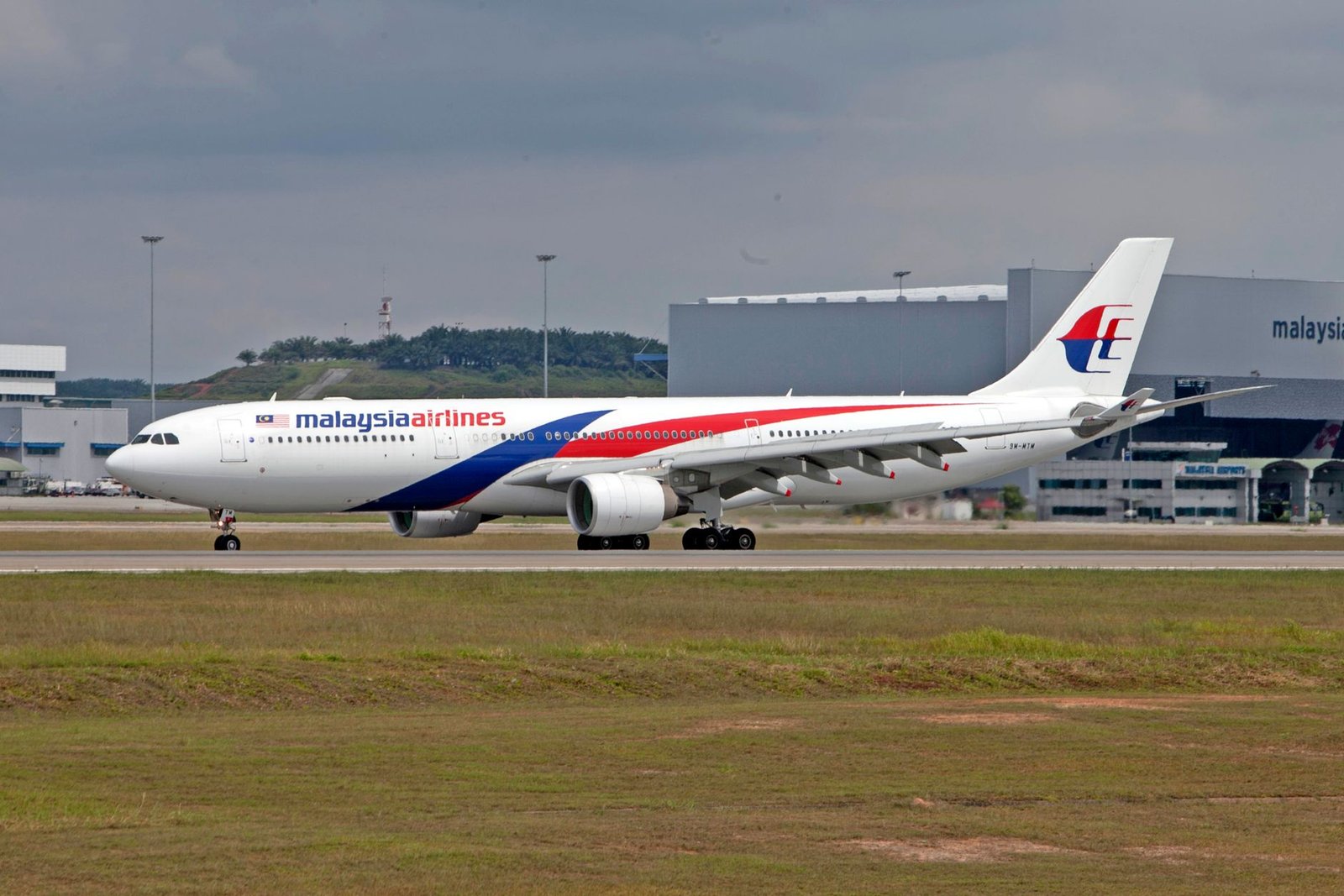
The timing is not accidental. Malaysia Airlines has just put Kuala Lumpur and Fukuoka back on the map after two decades, flying a Boeing 737-8 up to five times a week and planning a daily service from December. Combined with existing Narita and Kansai flights, the airline now offers 26 weekly Japan frequencies, with Japan Airlines codeshares beyond Fukuoka into domestic cities. For travellers already in Southeast Asia — or Australians willing to connect in Kuala Lumpur instead of fighting for a Tokyo seat — Kyushu just became a one-stop idea rather than a domestic add-on.
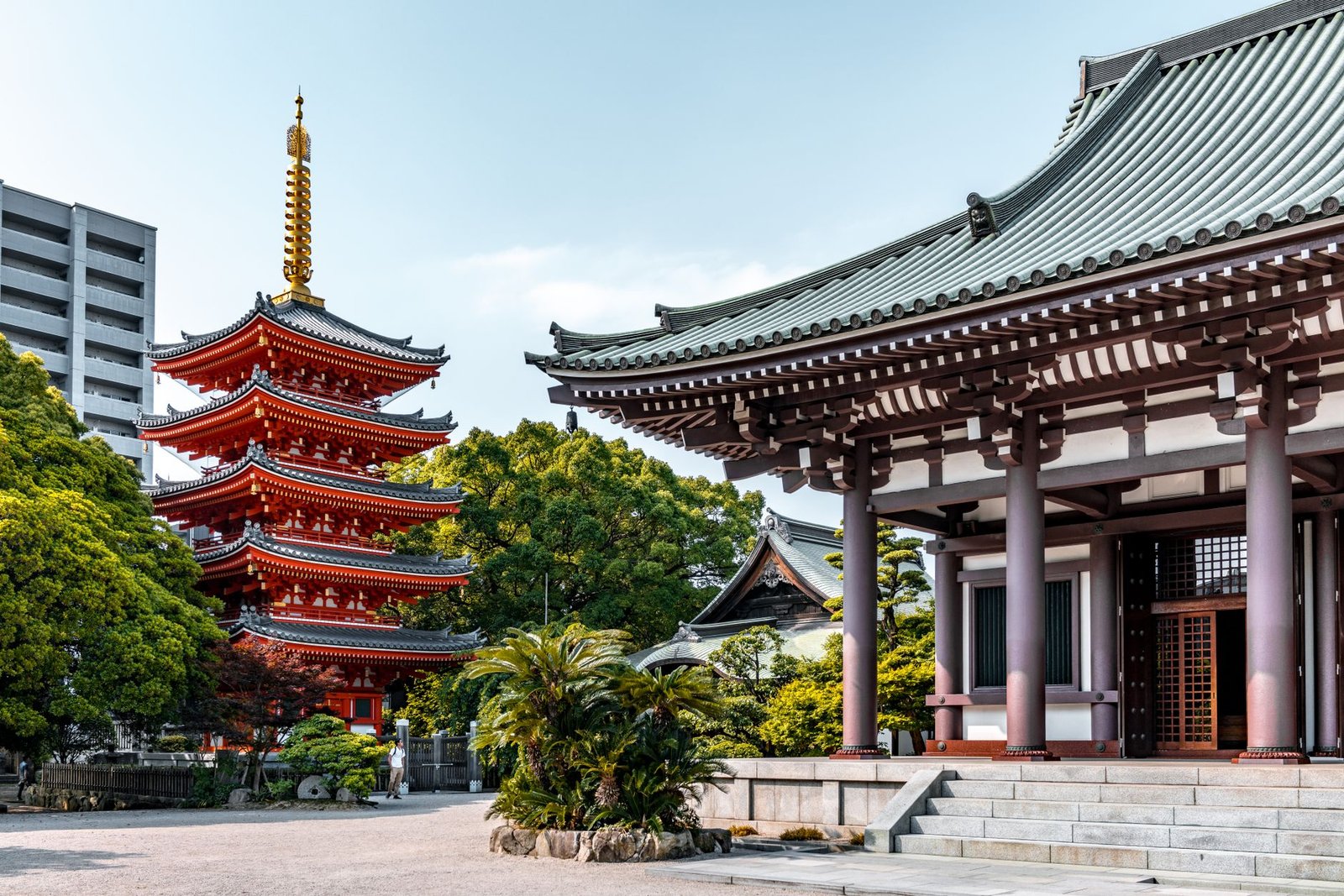
Why Fukuoka works as a first city
Fukuoka is Japan’s eighth-largest city and its most liveable southern hub. Hakata Station is a rail fortress: the Sanyo Shinkansen runs west to Hiroshima and Osaka; local lines fan out to Dazaifu, Yanagawa and the beaches of Itoshima. You can land in the morning and be eating at a yatai stall on Nakasu by dinner without touching a taxi.
The city also prices differently. Mid-range hotels near Canal City or Tenjin routinely undercut equivalent rooms in Shinjuku. A bowl of Hakata tonkotsu ramen is still an everyday meal, not a reservation sport. That matters if you are travelling as a pair or a family and want Japan’s texture without Tokyo’s surcharge.
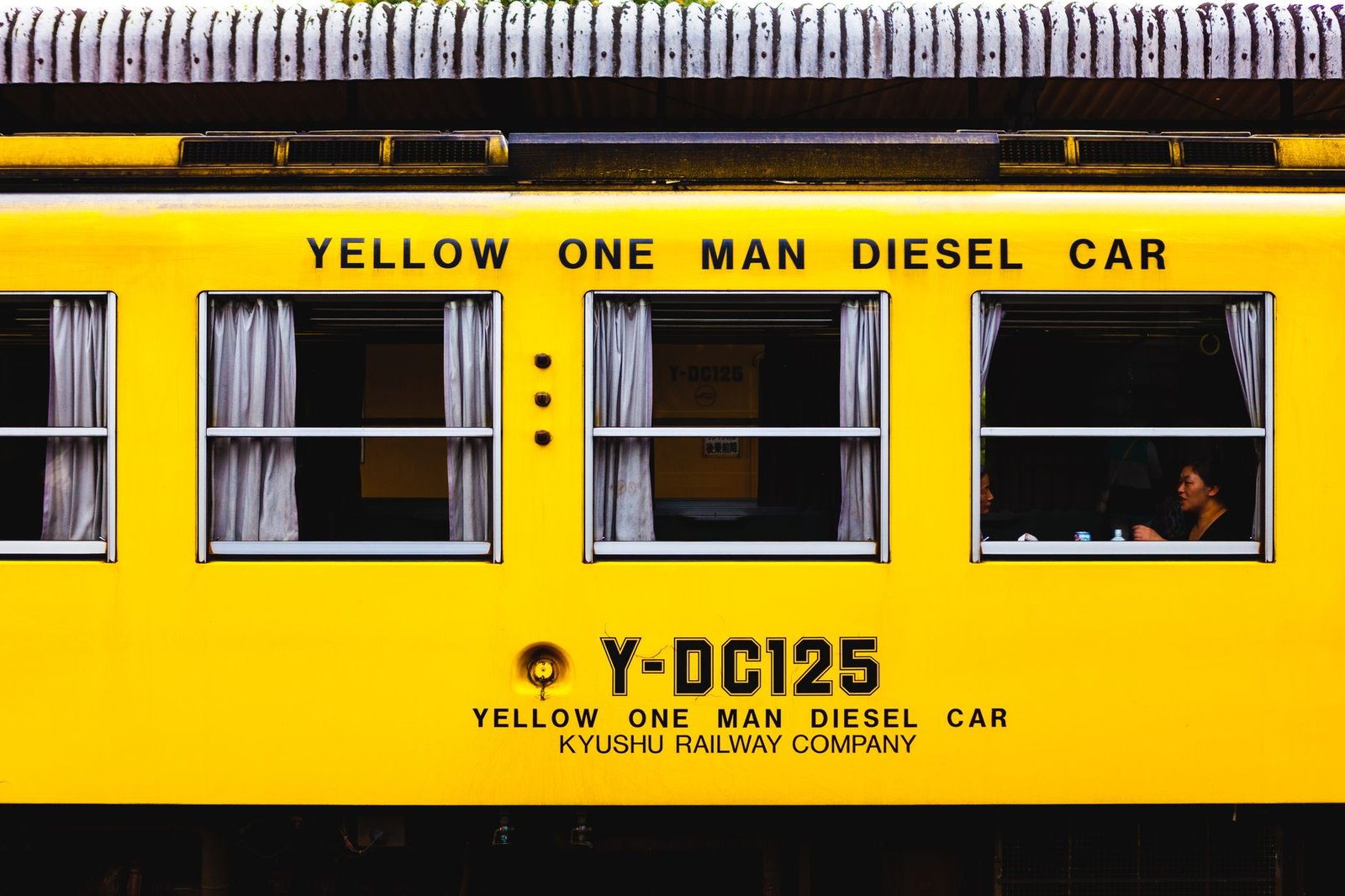
A four-day shape that actually fits
Day one: recover and walk. Canal City for orientation, then the riverside yatai after dark. Order simply — ramen, grilled skewers, a beer — and leave when the stool gets hard.
Day two: Dazaifu Tenmangu in the morning, before tour buses thicken. Eat umegae mochi on the approach road. Afternoon at the Kyushu National Museum if the weather turns, or the seaside at Momochi if it does not.
Day three: day-trip discipline. Yanagawa’s canal boats if you want slow water and eel. Or a faster hop to Yufuin if you crave onsen steam and a postcard high street. Return to Fukuoka for a second ramen comparison; locals will tell you the first shop was only a warm-up.
Day four: Itoshima’s west coast for coffee, oysters in season, and a slower coastline than anything near Narita. Fly out that evening or take the shinkansen north if Hiroshima is the next chapter.
How to fly it without wasting a day
From Australia, the cleanest new pattern is east-coast city to Kuala Lumpur, overnight or short connect, then the late MH56 into Fukuoka just after dawn. Malaysia Airlines is lifting Brisbane toward daily A330neo service from late October, which helps Queenslanders. From Singapore or Kuala Lumpur you are already on the doorstep.
Pack for a narrowbody: 737-8 cabins are fine for six hours if you choose a seat with extra pitch and treat the flight as a night bus with a meal. Book the outbound with a morning buffer in KUL in case Gulf-related irregular operations ripple through Asian hubs. They have been doing that for months.
oneworld members can place the Fukuoka sector on a Japan Airlines codeshare where available, which keeps the trip inside a single alliance for disruption handling. Confirm baggage rules on the operating carrier, not the marketing one.
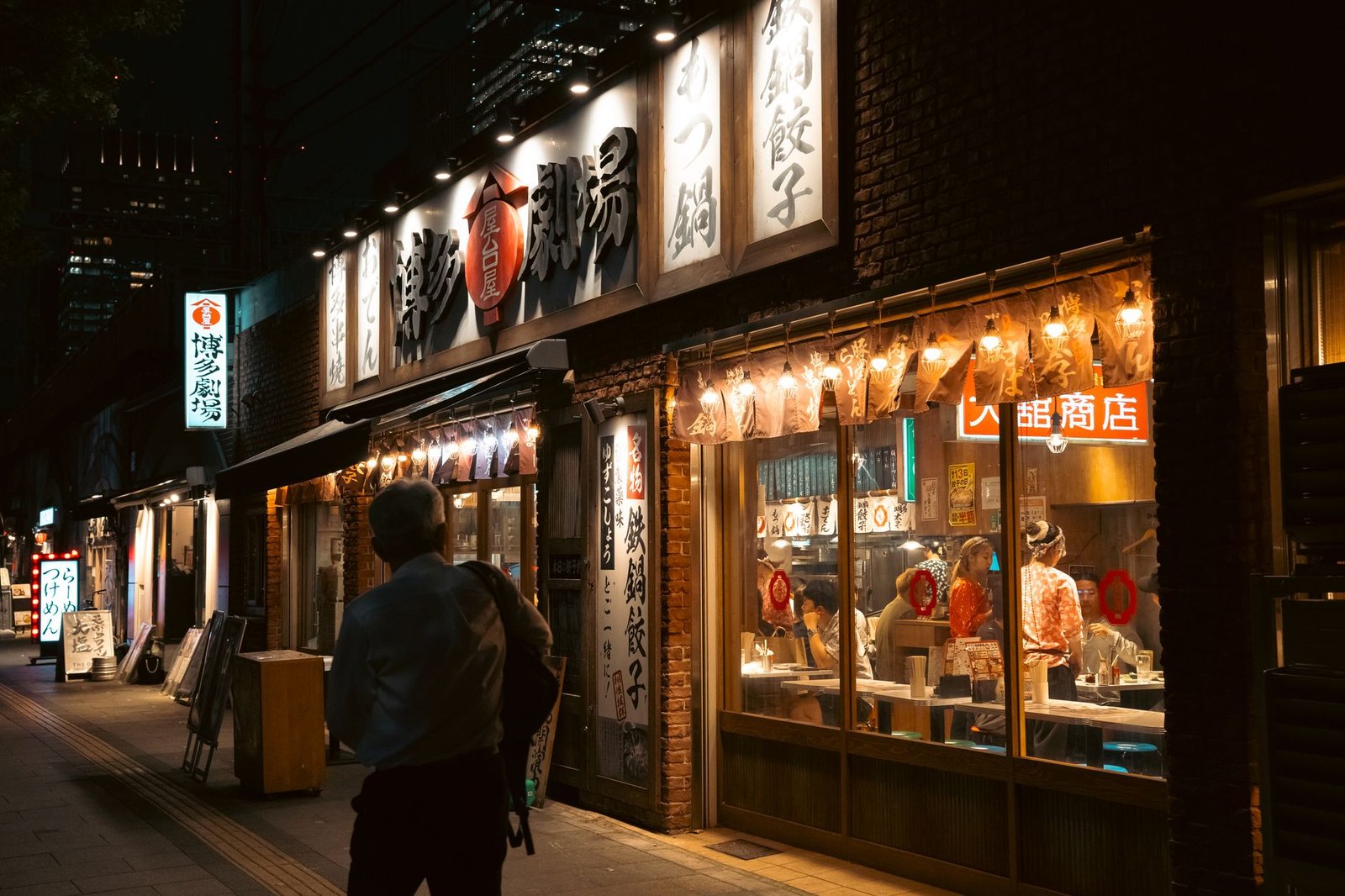
What to eat, and what to skip
Eat: Hakata ramen at a counter where the cook never looks up. Mentaiko pasta, the city’s odd and excellent fusion. Fresh fish at Yanagibashi market if you arrive early. Skip: anything with a multilingual sandwich board and a photographer stationed outside. Fukuoka’s best rooms still look slightly anonymous from the street.
Practical notes for 2026
Japan remains on Smartraveller’s “exercise normal safety precautions.” That is the green light, not a shrug. Carry cash for yatai and rural buses. IC cards work across the city. Autumn is typhoon season; build one indoor day into any week-long plan.
If Tokyo is already booked and brutal, do not add another night there out of habit. Fly into Fukuoka, spend the week in Kyushu, and let the shinkansen handle the rest. The new Kuala Lumpur link is not a novelty route. It is a way to enter Japan through a city that still has room to sit down.