Japan has taken back the top spot on the World Economic Forum’s 2026 Travel and Tourism Development Index, ahead of the United States, Spain, Australia and France. The ranking is not a popularity contest. It scores culture, safety, infrastructure, openness and whether tourism is spreading beyond a handful of postcard cities. Japan climbed from third in 2024 because more visitors are leaving the Golden Route.
That is the useful part for anyone booking from Australia, Singapore or the rest of Asia-Pacific this spring and autumn.
Why the ranking matters for a real itinerary
Tokyo, Kyoto and Osaka still absorb the bulk of first-time trips. The index reward came from the opposite move: better regional air and rail links, and local campaigns that pull people into Tohoku, Shikoku, Kyushu and the Japan Sea coast. If you copy last year’s five-night Tokyo-plus-Kyoto loop, you will pay peak prices and stand in the same queues the ranking is trying to thin out.
Treat the No. 1 result as a prompt to book the second city first.
A practical 10-day shape that actually uses the new Japan
Fly into Tokyo or Osaka, but spend only two nights there. Then pick one region and stay put.
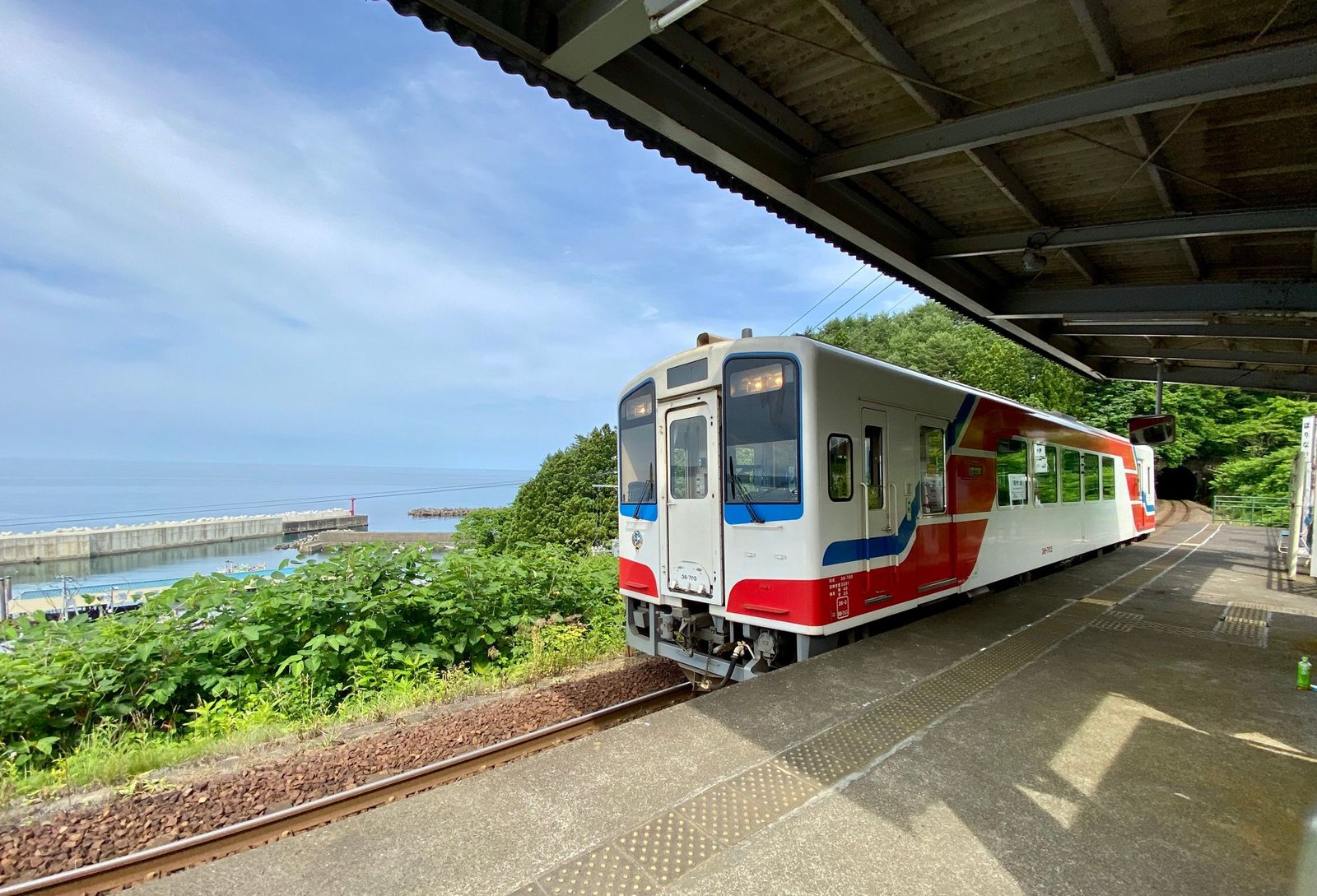
Tohoku in autumn. Sendai is an easy shinkansen hop. From there, day-trip to Matsushima’s pine islands, the mountain temples of Yamadera, and the onsen towns of Ginzan or Nyuto. Foliage arrives earlier than in Kyoto, hotels are cheaper, and you still eat at the level Japan is famous for.
Kanazawa and the Noto coast. The Hokuriku Shinkansen makes Kanazawa a half-day ride from Tokyo. Stay three nights. Walk the garden at Kenrokuen early, then hire a car or join a small tour along the rebuilt Noto Peninsula. Seafood here is the point, not a checklist shrine.
Kyushu loop. Land in Fukuoka, overnight in Yufuin or Kurokawa onsen, then take the train to Kagoshima for Sakurajima views. Kyushu’s onsen culture is less staged than Hakone on a Saturday.
Shikoku pilgrimage light. You do not need all 88 temples. Four or five days around Takamatsu, Kotohira and the art islands in the Seto Inland Sea give you the slower Japan the index is applauding.
Booking moves that save money right now
Reserve shinkansen seats as soon as dates firm up; autumn weekends sell first. A Japan Rail Pass only pays if you make two or more long intercity runs. For a single-region trip, buy individual reserved tickets or a regional pass instead.
Sleep in a midscale chain or a small ryokan outside the station plaza. Breakfast included beats a downtown design hotel that looks good in photos and costs a night in a regional city.
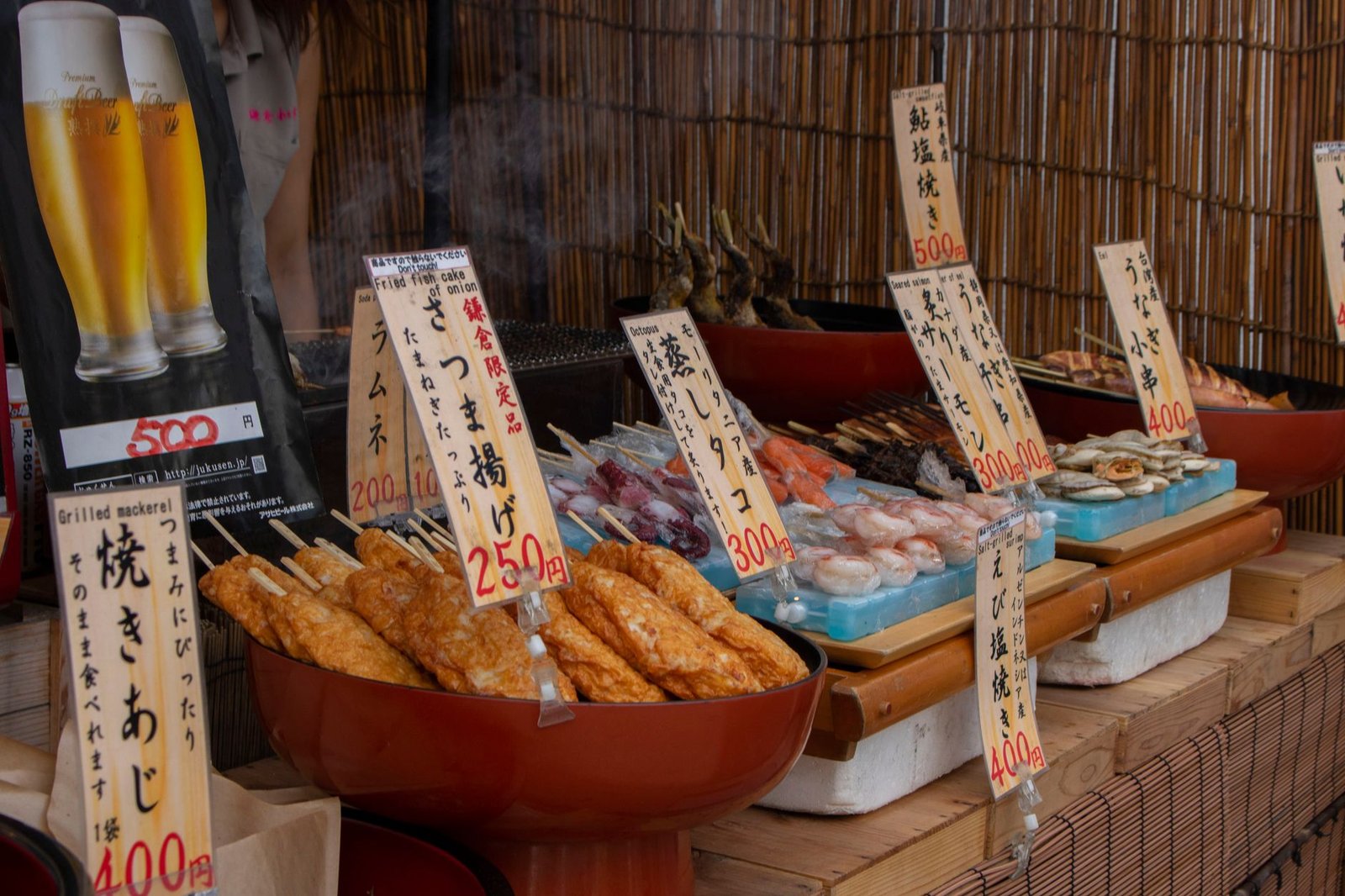
Eat lunch as your main meal. Many serious kitchens offer a cheaper daytime set. Dinner then becomes izakaya, market stalls or convenience-store quality that still beats most airport food.
Crowd and courtesy rules that keep the welcome intact
The same report that crowned Japan also warned what happens when visitors pile into the same postcodes: strained infrastructure and thinner benefits for everywhere else. That is already visible in parts of Kyoto.
Travel midweek where you can. Start outdoor sites at opening time. Do not eat while walking in busy historic streets. Book popular restaurants; walk-ins at peak hours are how queues become policy. If a neighbourhood asks for no photography, put the phone away.
When to go from Australia and Singapore
Late October to mid-November is the sweet window for Tohoku colour and still-mild Kyushu. Cherry blossom in late March and early April remains the most expensive and least flexible period. If you only have school holidays, shift the trip north or south of the usual Kansai cluster.
Direct and one-stop capacity from Singapore, Sydney, Melbourne, Brisbane and Perth into Tokyo, Osaka and Fukuoka is solid heading into the northern winter schedules. The constraint is hotels in the famous cities, not aircraft.