Zinc Airlines started as an idea on paper. It has grown into a detailed plan for a new domestic carrier. The project is still early. No flights have taken off. Yet the story already shows how one experienced executive sees a gap in Australian aviation.
Peter Kelly brings real history to the table. He worked at Ansett in its later years. Qantas then brought him in to run the Frequent Flyer program. He played a role in the early days of Jetstar. After that he gained direct experience setting up a low-cost airline overseas. These steps gave him a clear view of what sinks new carriers here. He watched past attempts struggle with costs, slots and timing. Now he wants to avoid those traps with Zinc.
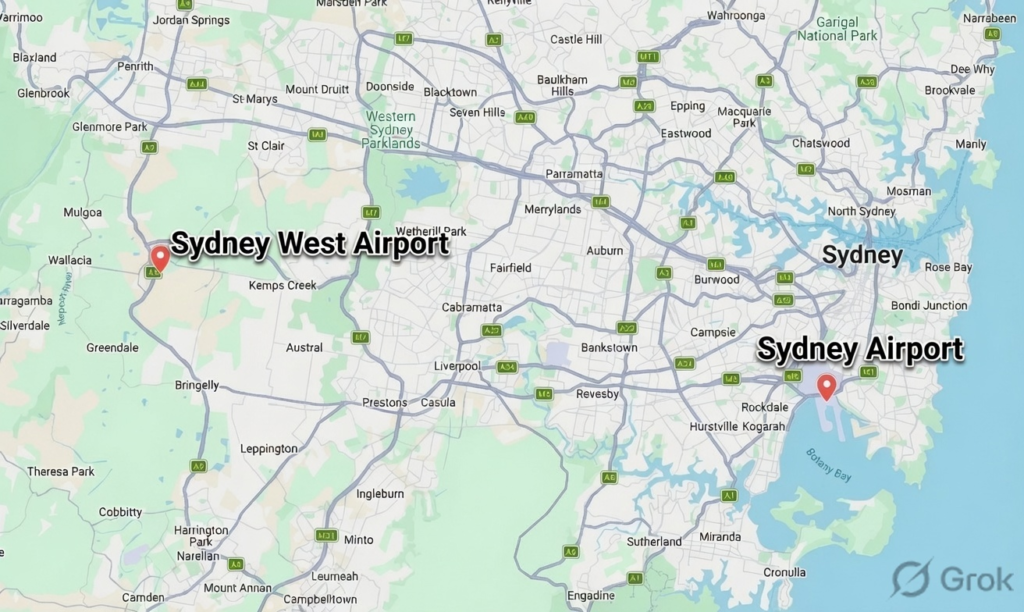
The birth of the idea came in May this year. Kelly went public with plans for Australia’s first independent ultra-low-cost carrier. He chose the name Zinc and started talking to investors about raising 200 million Australian dollars. The timing lines up with the opening of Western Sydney International Airport. That new facility ends years of tight constraints at the main Sydney airport. It gives a fresh base for high-frequency flights without the old battles for space.
Initial plans were clear. Zinc would copy the Ryanair approach. Keep everything simple. Use one type of plane. Fly it hard every day. Focus on busy trunk routes. The early network targeted the new Sydney airport to Melbourne, Brisbane and Adelaide. Gold Coast services would follow. The goal was to offer lower fares than existing options and challenge the big domestic players. Kelly knows the market well. Two groups control most seats. He believes there is room for real price competition if costs stay tight.
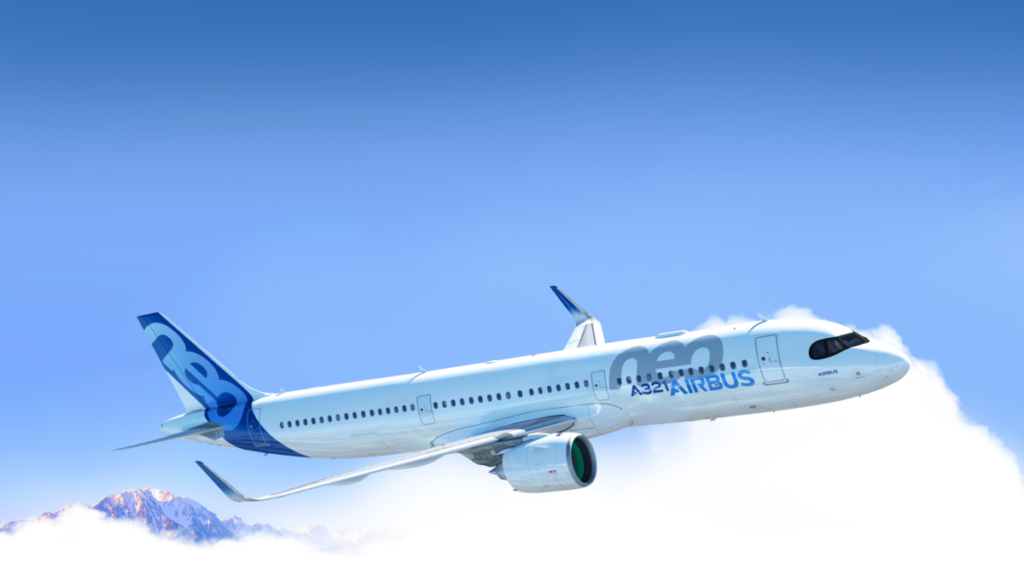
Things have moved since the first announcement. Aircraft supply chains caused a shift. The original choice of larger A321neo planes faced long delays. Zinc adjusted to start with five Airbus A320s. That change pushed the launch target to 2028. These are sensible updates. They show the team is dealing with real world limits instead of forcing an impossible schedule. The base remains Western Sydney International. The model still centres on lean operations and high aircraft use.
Right now Zinc sits in the fundraising stage. The team is in talks with sophisticated investors, including some interest from overseas. They have put together an information memorandum. Nothing is final. Regulatory approvals, crew training and aircraft leases all wait on the money.
For travellers the potential upside is clear. More flights on key routes could mean better choice and cheaper fares. Domestic travel in Australia is expensive for many people. A true low-cost option based at the new airport might change that on some sectors. But success is not guaranteed. Fuel prices, economic conditions and strong existing competition make it a tough road. Next year will test whether the funding comes through and the operation can get off the ground.
Aviation watchers will keep an eye on this one. For now it remains a promising idea moving through its early stages. If everything lines up, Zinc could add fresh competition to the skies by the end of the decade. Travellers would be the ones to benefit most.