Japan has long been regarded as one of the world’s great culinary destinations, but what continues to amaze visitors is the sheer concentration of exceptional restaurants in Osaka and Tokyo. Together, these two cities boast more Michelin-starred restaurants than anywhere else on earth, a reflection of a culture where craftsmanship, precision and lifelong dedication to a single pursuit are deeply respected. Dining in Japan isn’t simply about eating well; it’s about witnessing people who have spent decades refining every detail of their craft. Whether it’s sushi, tempura, kaiseki or an intimate omakase experience, excellence is expected rather than exceptional.
One of the highlights of our trip was dinner at Nishitemma Ichigaya (book here – ichigaya.savor-japanese-restaurant.com/en/#store), a one Michelin-starred restaurant tucked away in Osaka’s Nishitenma district. With just seven seats around the counter, it immediately felt less like a restaurant and more like being welcomed into someone’s home. On the evening we visited, we were the only two guests, giving us what turned into an incredibly personal dining experience.
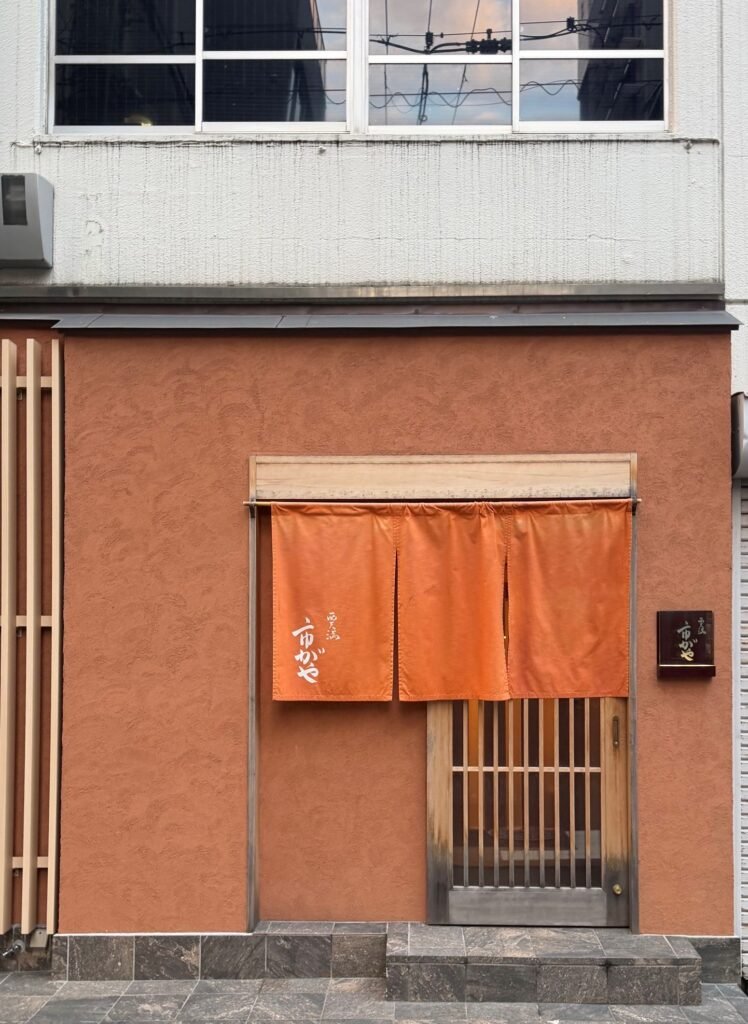
We had booked several weeks in advance, mentioning that one of us didn’t eat seafood. Omakase traditionally celebrates the very best seasonal seafood, so we weren’t quite sure what to expect. Instead of simply making a few substitutions, the chef thoughtfully designed an entirely different omakase menu. While one of us enjoyed a succession of beautifully prepared seafood dishes showcasing the freshest ingredients of the season, the other was served an equally creative and carefully crafted menu centred around premium meats and vegetables. Neither felt like a compromise. Both menus reflected the same attention to detail, balance and artistry, making us feel that each meal had been created especially for us. It was an extraordinary example of flexibility and hospitality, particularly from a chef whose restaurant has earned a Michelin star.
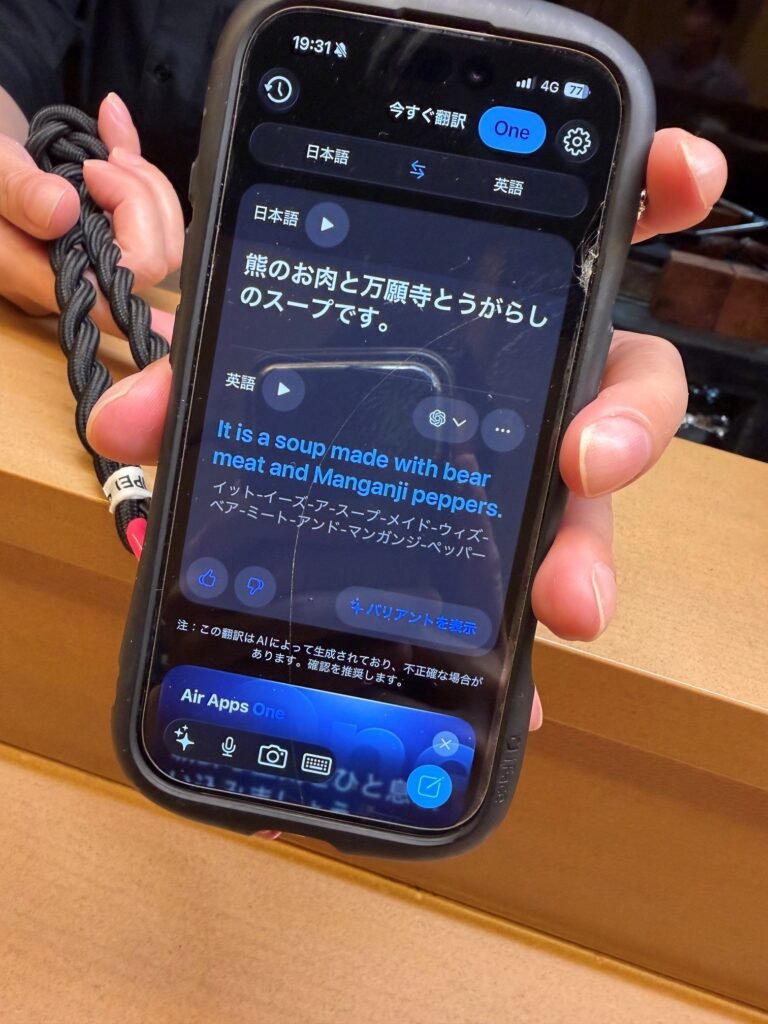
The restaurant is run by a husband-and-wife team who couldn’t have been more welcoming. Despite the obvious language barrier, their warmth transcended words. Google Translate quickly became our shared language, with phones passed back and forth across the counter as we typed messages to one another. It became part of the fun rather than a barrier. We laughed together as translations occasionally came out a little strangely, exchanged jokes through our phones, and celebrated whenever a message came across exactly as intended. Somehow, those moments of shared humour made the evening feel even more genuine. The chef worked quietly and methodically in front of us while his wife chatted with us through Google Translate, explaining ingredients, asking where we were from, and making sure we were enjoying every course. By the end of the evening, it felt less like we had dined at a Michelin-starred restaurant and more like we had spent the night with new friends.
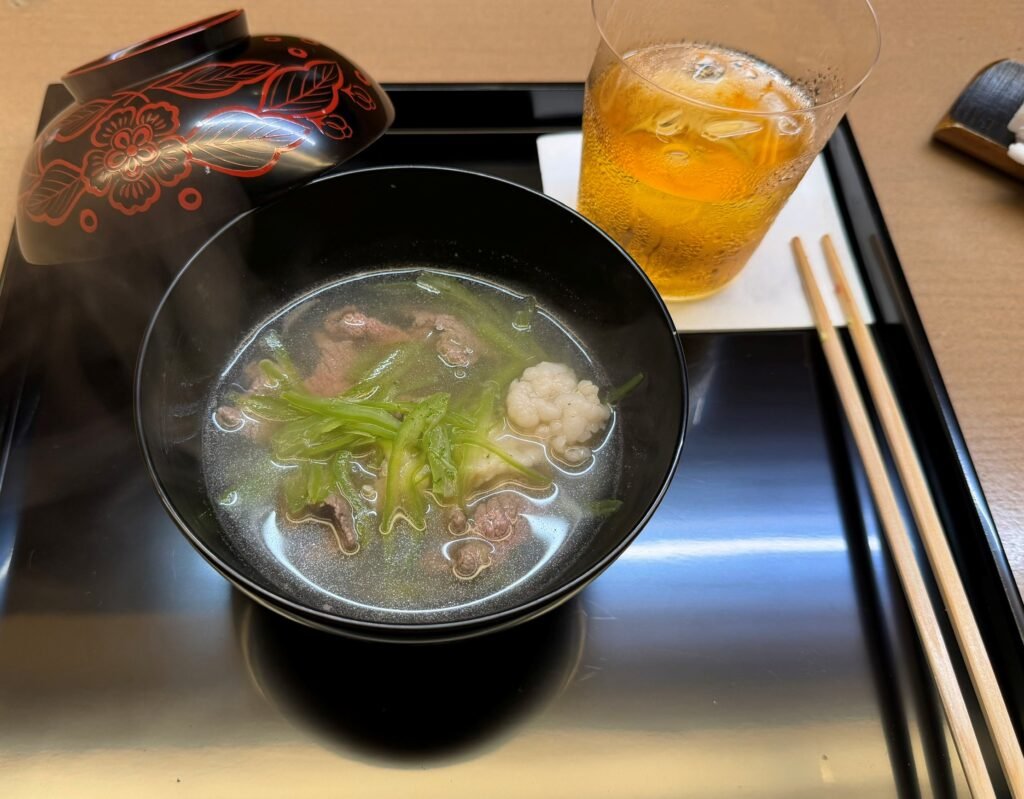
Dining at an omakase restaurant is unlike almost any other meal. The word itself means “I’ll leave it up to you,” placing complete trust in the chef to create the menu using the finest seasonal ingredients available that day. There is no ordering, no comparing dishes with neighbouring tables, and certainly no rushing. Instead, each course arrives as part of a carefully choreographed journey, with flavours, textures and temperatures designed to build naturally from one dish to the next.
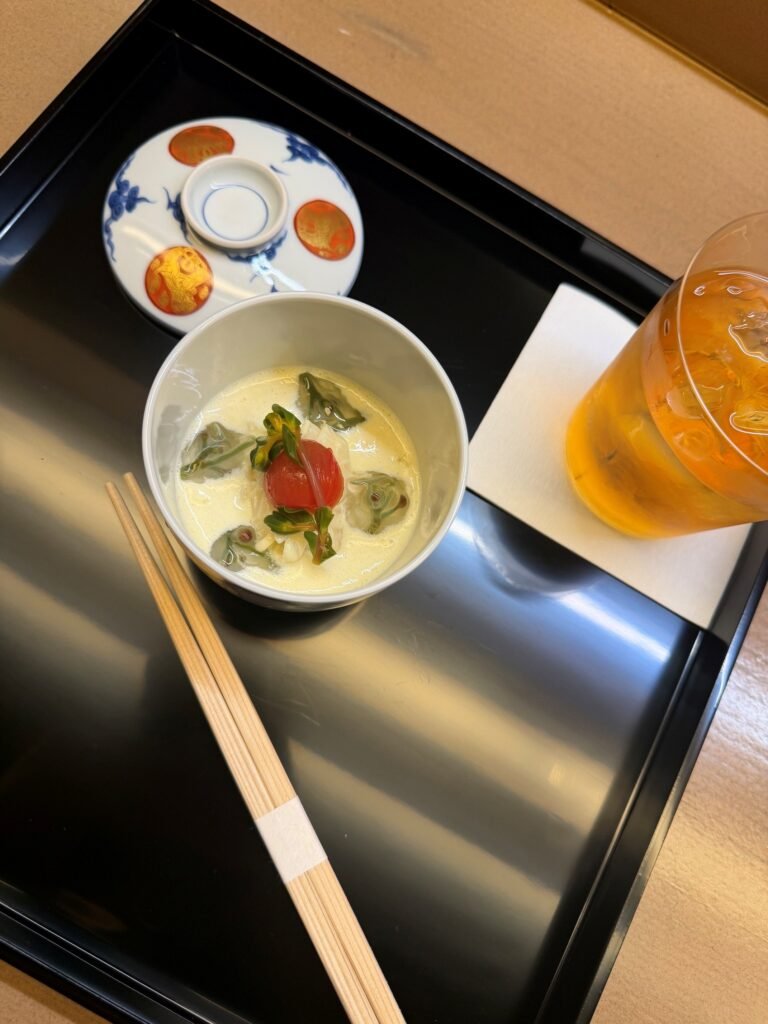
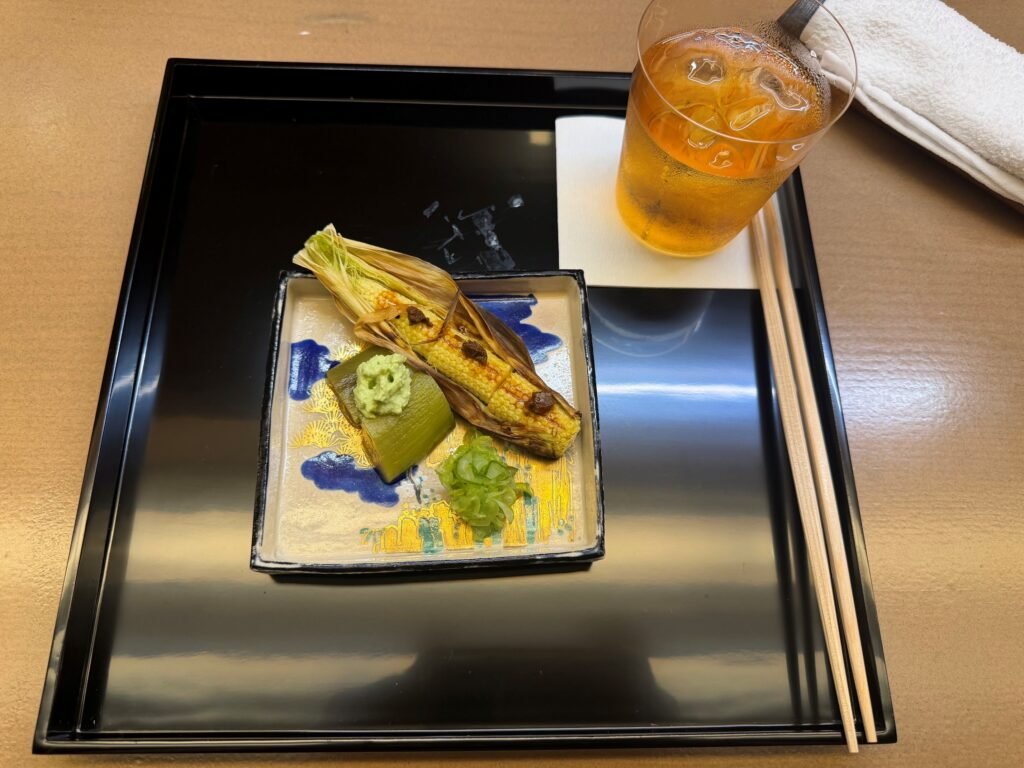
Watching the chef prepare every course just a few feet away becomes part of the experience itself. Every knife movement is deliberate, every garnish carefully placed, every ingredient treated with respect. You quickly realise that timing is just as important as technique. A dish isn’t simply prepared; it is presented at the exact moment the chef believes it should be enjoyed. Sitting at the counter gives you a front-row seat to years of dedication and discipline, transforming dinner into something closer to a performance than a meal.
This attention to detail helps explain why Japan has earned such an extraordinary culinary reputation. The Michelin Guide recognises technical excellence, consistency and personality, but many Japanese chefs pursue perfection regardless of awards. There is a philosophy of continual improvement that values mastery over novelty. Many spend decades specialising in one cuisine, refining the same skills thousands upon thousands of times until they become second nature. It’s this relentless pursuit of excellence that has helped make Osaka and Tokyo the world’s capitals of Michelin-starred dining.
Yet what made Nishitemma Nichigaya so memorable wasn’t simply the quality of the food or the Michelin star. It was the intimacy of the evening. With only two diners, the restaurant felt almost like a private dinner party. Conversation flowed through Google Translate, proving that technology can do more than overcome language barriers—it can create genuine human connection. We found ourselves laughing together, sharing stories, asking questions and even joking with our hosts, despite speaking completely different languages. It was a reminder that warmth, kindness and a sense of humour are wonderfully universal.
Travel often reminds us that meaningful experiences don’t depend on speaking the same language. Food has an extraordinary ability to bring people together. A beautifully prepared dish communicates care, generosity and passion in ways that words often cannot. Every course carried the unmistakable message that someone had devoted immense time and attention to creating something special for the person sitting in front of them.
Looking back, it wasn’t the Michelin accolade that stayed with us most. It was sitting in that tiny seven-seat restaurant, watching decades of craftsmanship unfold before our eyes while sharing laughs with a gracious husband-and-wife team through our mobile phones. It was discovering that an omakase dinner is about far more than exceptional food. It is about trust, hospitality, conversation and connection. Experiences like Nishitemma Ichigaya remind you that while Michelin stars may draw travellers through the door, it is the people behind them who create the memories that stay with you long after the final course has been served.