Airlines continue to adjust schedules because of ongoing Middle East instability. The latest US-Iran activity has kept many routes offline or delayed. Conditions change quickly, so always double-check your booking before travel.
Here is a clear table of the main carriers still affected as of late July 2026. It focuses on the most common destinations and the current suspension windows reported by the airlines.
| Airline | Main affected routes | Current status / restart window |
|---|---|---|
| British Airways | Dubai, Tel Aviv, Bahrain, Amman | Suspended until 25 October; Jeddah dropped permanently |
| Air Canada | Dubai, Tel Aviv | Suspended until 24 October |
| Singapore Airlines | Singapore–Dubai | Suspended until 24 October |
| Lufthansa Group | Dubai | Suspended until 13 September |
| Lufthansa Group | Abu Dhabi, Amman, Beirut, Dammam, Riyadh, Erbil, Muscat, Tehran | Suspended until 24 October |
| KLM | Dubai, Riyadh, Dammam | Suspended until late August |
| Air France | Riyadh, Dubai, Beirut | Short delays; Riyadh and Dubai targeted for late July, Beirut early August |
| Cathay Pacific | Dubai, Riyadh | Extended into autumn |
| Finnair | Helsinki–Dubai | Suspended until 24 October |
| Philippine Airlines | Manila–Dubai | Suspended until early October |
| Air Astana | Almaty/Astana–Dubai | Suspended until 31 August |
| Qatar Airways | Bahrain, Erbil, Kuwait | Suspended until end of July |
| Etihad Airways | Selected Abu Dhabi–Kuwait / Bahrain | Recent cancellations still in place |
| Air Arabia / flydubai | Selected Kuwait, Bahrain, Abha flights | Short-term cancellations ongoing |
The table shows the bigger picture. European and long-haul carriers have taken the most cautious approach. Many have pushed restarts deep into autumn. Gulf carriers keep most of their networks running but drop specific short-haul sectors when local airspace tightens.
Emirates has restored the large majority of its pre-conflict schedule and continues to operate the bulk of its flights. Turkish Airlines has brought back several key cities including Dubai, Abu Dhabi, Beirut and Amman, though Iran remains closed.
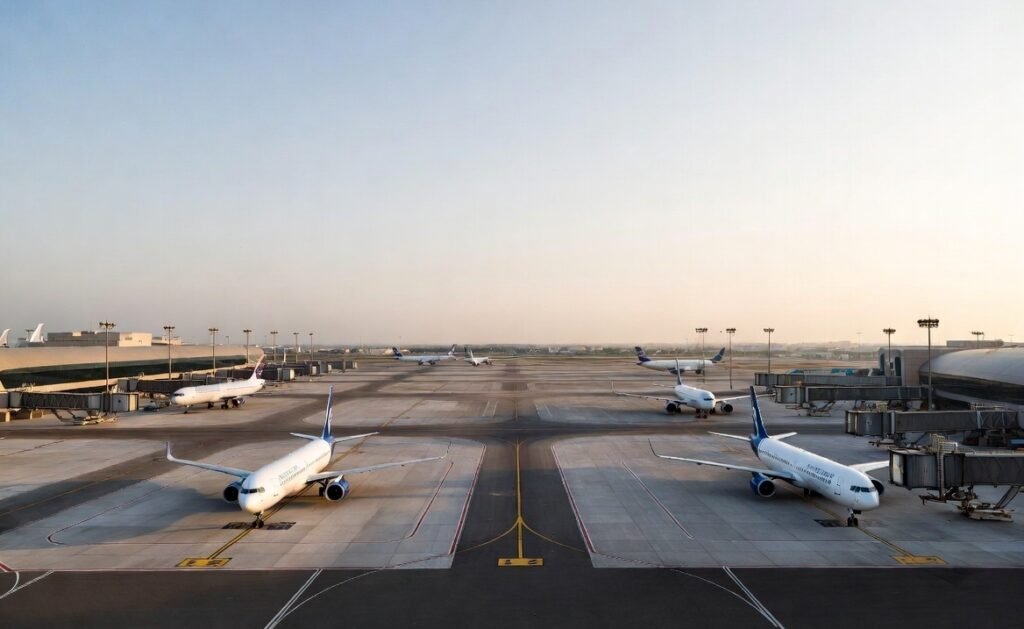
These pauses come from a mix of airspace advisories, temporary closures and higher operating risks. Jet fuel prices have climbed and many flights now take longer paths to avoid restricted zones. Most airlines still offer free rebooking or refunds for cancelled sectors, but the exact rules differ by ticket type.
If you hold a ticket on one of the routes listed, contact the airline directly. Restart dates can move again if the security picture shifts. Regional airports remain open, yet capacity on some corridors stays limited. Plan extra time for connections and keep your contact details up to date so the airline can reach you with any last-minute changes.