East Malaysia feels largely settled for most travellers heading into 2027. Sabah and Sarawak on the mainland run much like the rest of the country. Kota Kinabalu, Sandakan’s wildlife spots, the Kinabatangan, and the highlands around Mount Kinabalu see steady visitors with the usual Southeast Asian precautions around petty crime and traffic. The same goes for most of Sarawak.
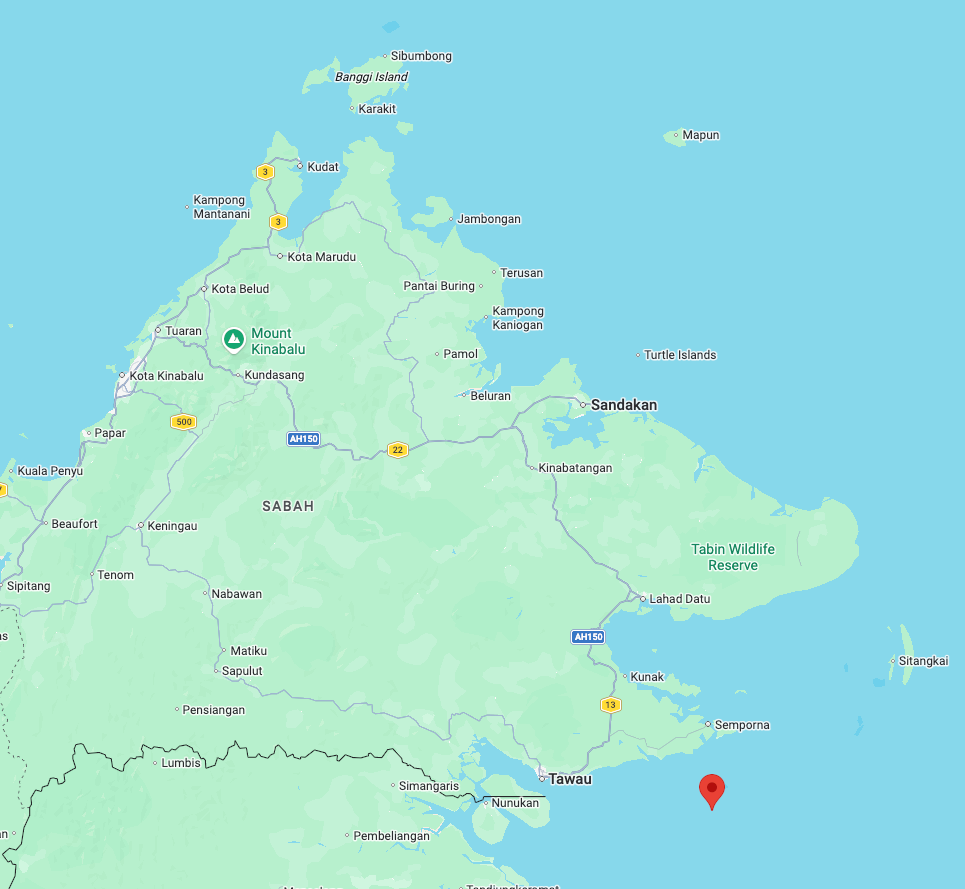
The picture changes when you look at the islands and dive sites off the east coast of Sabah. That stretch from roughly Lankayan south to Tawau includes Sipadan, Mabul, Kapalai and the waters around Semporna. Australian advice currently asks people to reconsider travel there because of a residual kidnapping risk. British guidance is stronger still, advising against all but essential trips to those islands and dive sites. The United States rates the same maritime zone at a level of increased caution while treating the mainland as normal.
Those warnings have not been pulled out of thin air. Cross-border groups from the southern Philippines once targeted resorts and boats in the area. The last confirmed kidnapping-for-ransom case, however, happened in April 2014. More than twelve years have passed without a repeat. Malaysian authorities keep a heavy presence through the Eastern Sabah Security Command. Daylight-only boat movements, sea curfews after dark, and regular patrols are standard. Dive operators work inside those rules.
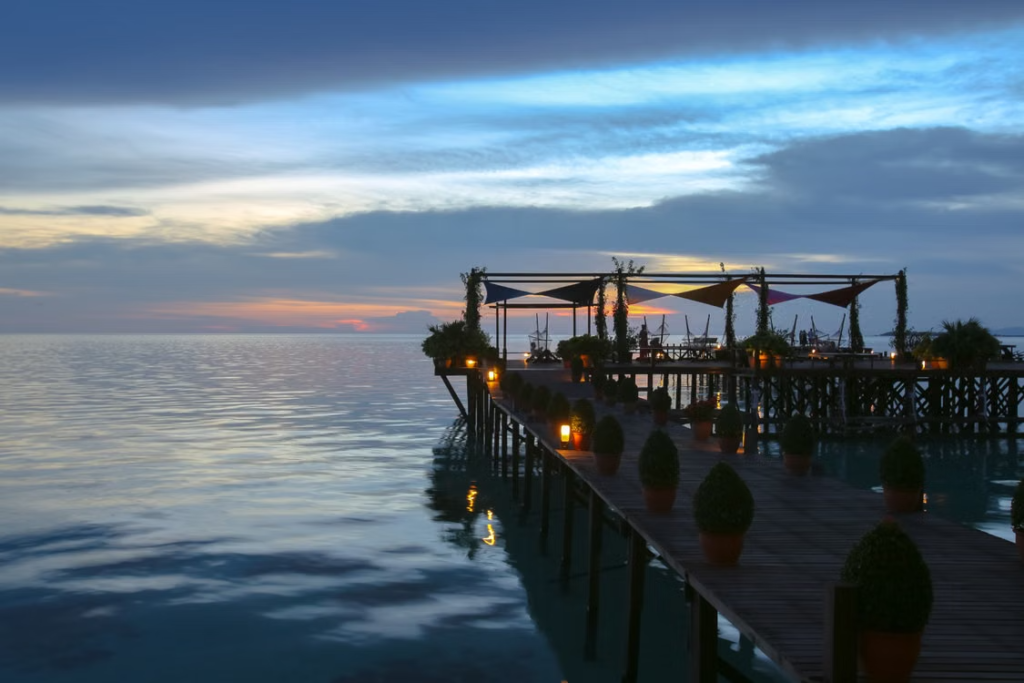
On the ground this means most people who book Sipadan through established operators complete their trips without drama. Permits are limited, transfers happen in daylight, and the military presence is visible but not intrusive. Still, the risk has not been declared zero by every government. Insurance policies can exclude cover if you travel against official advice, so check the fine print carefully before you pay a deposit.
For 2027 the trend looks steady rather than dramatic. Security has held for years. Some foreign governments have already eased their language on parts of the east coast. Sabah is also promoting a Visit Sabah Year, which suggests local confidence. None of that guarantees the future. Conditions can shift with events across the border in the Philippines. The sensible approach is to treat the current picture as the baseline, then recheck official advice closer to your travel dates.
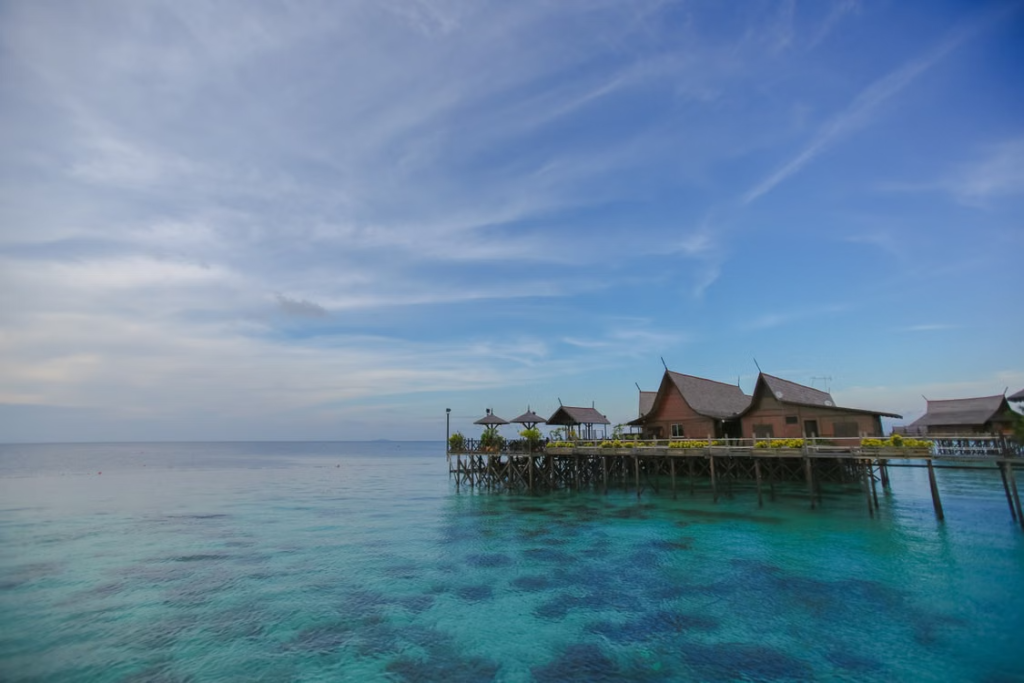
If you decide to go, keep it simple. Use operators with a long track record and clear security protocols. Do not flash your wealth and avoid night travel on the water with questionable tour operators. That is ordinary common sense in this particular corner of Borneo or anywhere in the world when traveling, not panic.
The rest of East Malaysia does not carry the same caveats. You can plan a straightforward trip through the interior or the west coast of Sabah without the same level of second-guessing. Sipadan remains one of the best dive sites in the region. The question is whether the residual risk flagged by governments fits your own tolerance and insurance situation. For many divers the answer is yes, provided they stick to the rules already in place. For others the mainland options are simply easier.