You sit down, buckle in, and tap the screen. A long list of films appears. New releases sit next to old favourites and titles from other countries. It feels like the airline just threw everything at the wall. It did not.
Someone chose every one of those movies.
The first inflight screening was crude. In 1921 a small American carrier stretched a cloth across the cabin and projected a silent short. Today the big airlines run libraries of a thousand titles or more. Emirates keeps one of the largest, with about 2,000 films and hundreds of TV shows.
The people who pick them work in two places.
Airlines keep their own entertainment teams. Delta has a small group that studies viewing data and sometimes goes to film festivals. United’s team has grown in recent years. American Airlines holds monthly meetings they call the war room. They sit with descriptions, cast lists and early ratings and decide what stays and what goes. Southwest once ran the whole job with one person.
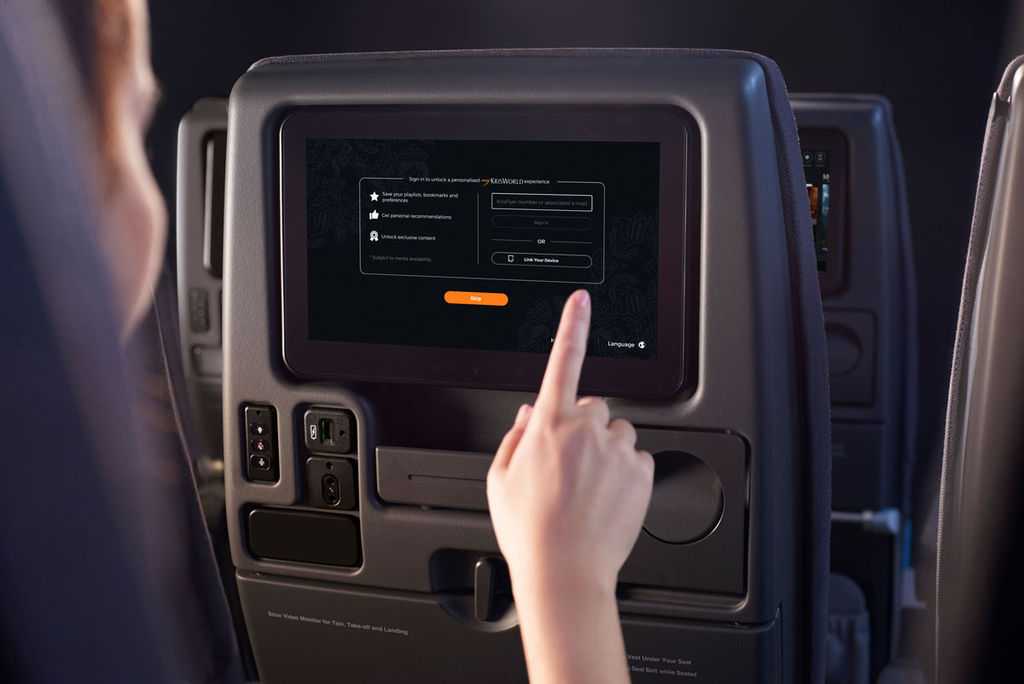
Singapore Airlines does it on a bigger scale. It has a Movie Review Committee of around 70 people. They come from different departments and from the countries the airline flies to. Those in Singapore meet face to face each month. The rest send their notes by email. They weigh popularity, cost and whether a film will sit well with passengers from many cultures. Hollywood titles usually reach KrisWorld about three months after they leave cinemas.
Then come the specialists. Companies such as Anuvu, Spafax and Inflight Dublin sit between the studios and the airlines. They watch the release calendar early. They lock inflight rights months ahead. They encode the files so they work on the aircraft systems and they suggest line-ups that fit each carrier. Anuvu has worked with Singapore Airlines for years and has helped build the local Singapore Showcase collection.
The final mix is part taste and part spreadsheet. Airlines see which films passengers start and which they actually finish. Action and comedy travel well. Comfort classics keep coming back. Horror is used sparingly. No one wants a sudden scream in a dark cabin. Films about plane disasters stay off the list.
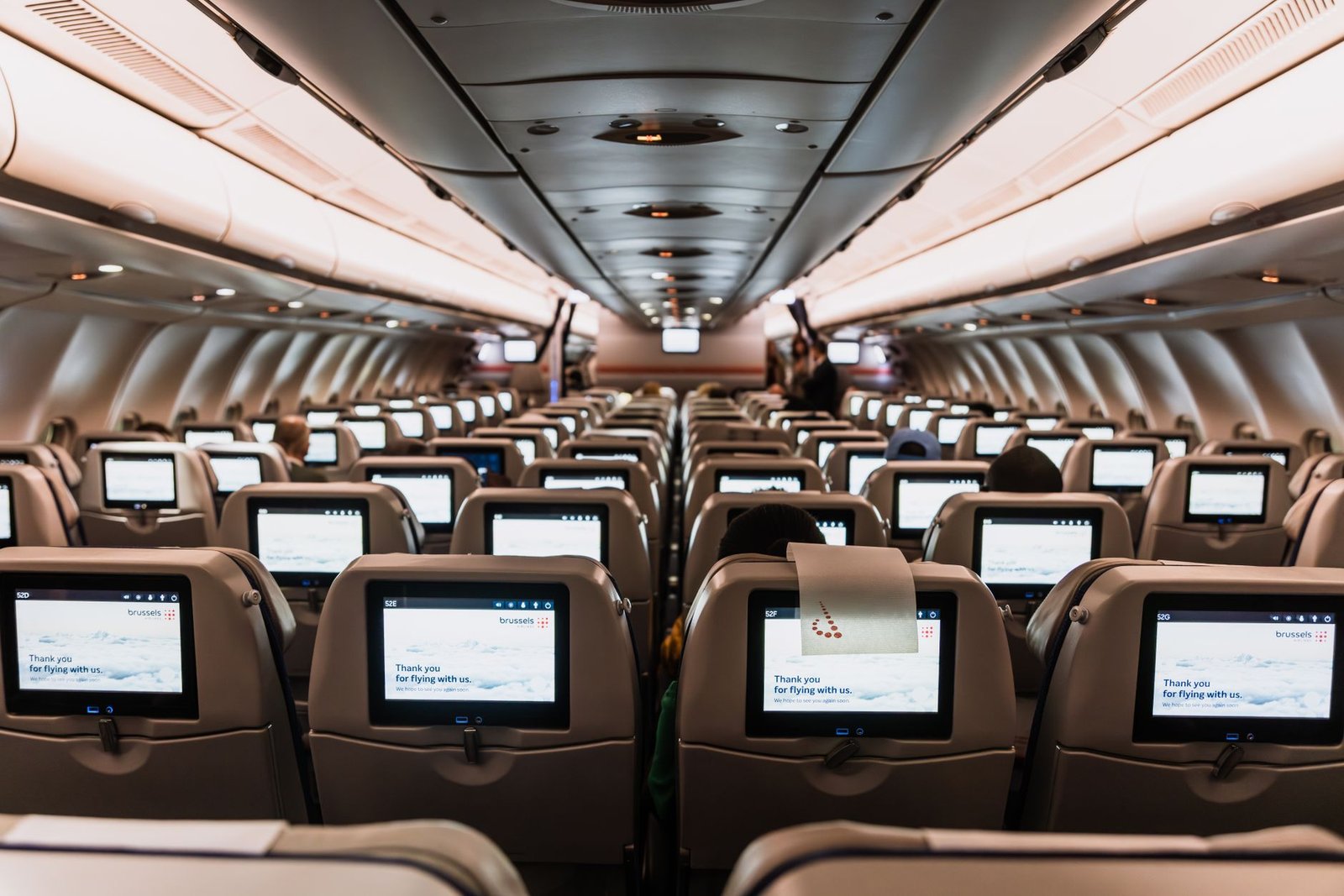
A box-office flop can still work at 35,000 feet. Passengers are a captive audience. They will try something they skipped on the ground. “Cats” once became the most-watched title on Southwest.
The library changes every month. Roughly a quarter of the titles turn over. Teams add themed collections for seasons or heritage months. Singapore Airlines keeps a regular Singapore Showcase with local films and series so the cabin feels a little closer to home.
Licences are not cheap. A single title can cost five figures. Across the industry the annual spend runs into hundreds of millions. Not every studio plays along. Netflix rarely licenses its shows for planes. Some directors refuse the cuts needed for language or scenes that would not sit well with a mixed cabin of children, grandparents and everyone in between.
The result is a careful balance. Something for the business traveller who wants to switch off. Something familiar for families. Something local if you are flying into a new city.
Next time you scroll the list, remember it was not random. A committee argued over it. Someone checked last month’s viewing numbers. A buyer locked the rights half a year ago. And someone decided that particular film would still look good when the cabin lights go down.