Philippine Airlines signed the deal to join oneworld on June 6, 2026, at the IATA meeting in Rio. Full membership should come sometime in 2027. For an airline that has flown mostly on its own for years, this feels like a practical move. It slots the Philippines deeper into the alliance’s Southeast Asia footprint, sitting alongside Malaysia Airlines as the second full member from the region.
PAL moved ahead of others that had shown interest, like Taiwan’s Starlux and China Southern. Starlux had talked openly about joining, yet rumors point to Cathay Pacific using its founding member veto over close competition from Taiwan. China Southern, after leaving SkyTeam, also eyed oneworld but faced similar pushback from Hong Kong’s carrier due to overlapping mainland routes. PAL’s approval suggests oneworld saw less conflict and more value in adding Philippine depth right now. It could open the door wider later, but for now, PAL gets the inside track.
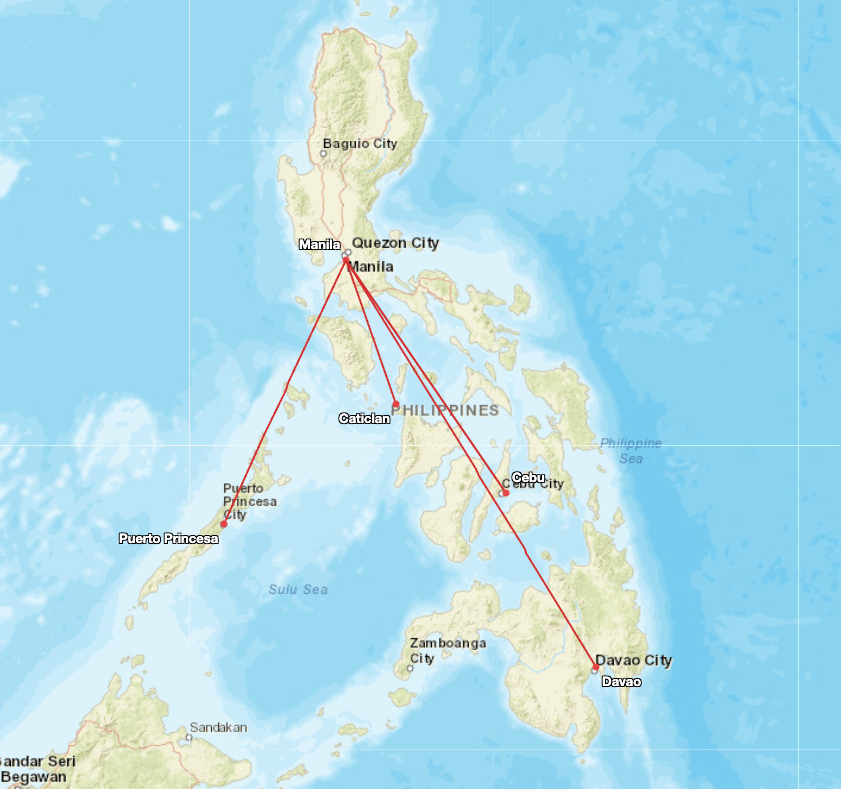
PAL already flies a solid mix of routes. Domestically, it connects Manila to places like Cebu, Davao, and the island gateways for Boracay and Palawan. Internationally, you see flights to key spots in Japan, South Korea, Australia, and several cities in North America. Southeast Asia gets good coverage too, with services to Singapore, Bangkok, Kuala Lumpur, and nearby points. Once inside oneworld, these routes start feeding into partners like Cathay Pacific in Hong Kong, Japan Airlines, American Airlines, and Qantas.
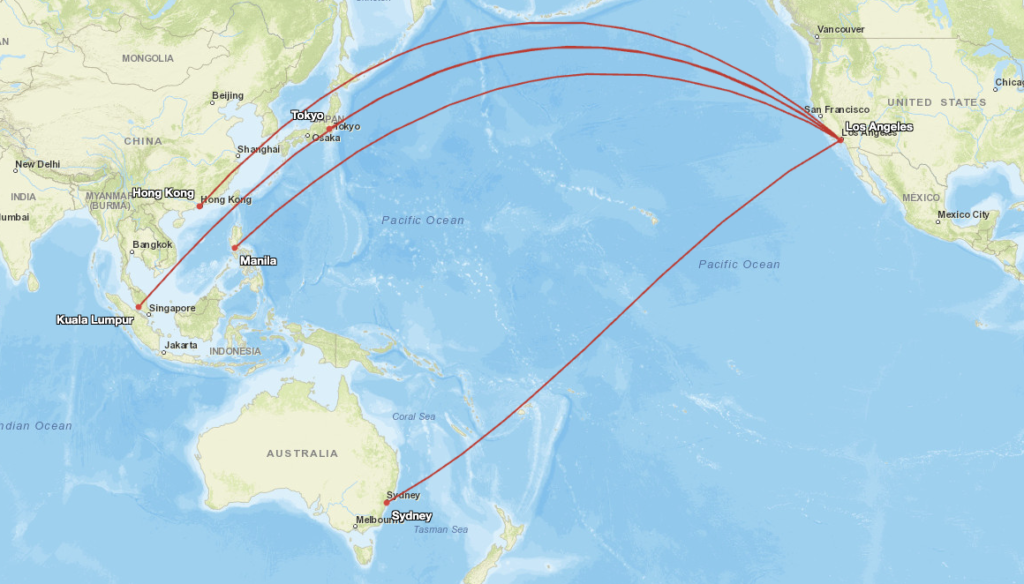
The advantages show up clearly across regions. In Southeast Asia, PAL fills gaps in the island nation, feeding traffic into bigger hubs like Hong Kong or Kuala Lumpur. For North America, it strengthens ties with American and Alaska, letting flyers from the US reach smaller Philippine destinations without separate bookings. In the Asia-Pacific, Australians and Japanese gain better access to PAL’s domestic network. Overall, it makes multi-stop trips feel less fragmented and more reliable.
But the picture has rough edges. Manila’s NAIA airport and its Mabuhay Business Class lounge still struggles with too many passengers for its age and design. Crowding, delays, and basic facilities have been problems for years. The airport handles record numbers now, yet upgrades move slowly. New terminals and a big project at Bulacan aim to ease the pressure, but these take time. An archipelago nation faces extra hurdles building and maintaining runways and terminals across islands. Weather, land issues, and costs add layers of difficulty.
PAL will need to match the alliance’s service standards while dealing with these ground realities. Competition from low-cost carriers remains tough, and keeping reliability high matters. The join could bring more passengers and better connections, but only if the airport experience improves alongside it. Travelers notice when the flight lands smoothly but the terminal feels chaotic.
For anyone who loves the Philippines, this points to better access without overpromising. Tourism could pick up with smoother links, though the real payoff depends on how well the airports and airline adapt. Watch how the connections shake out once 2027 arrives. The routes are promising. The on-ground reality will decide how good it actually feels.